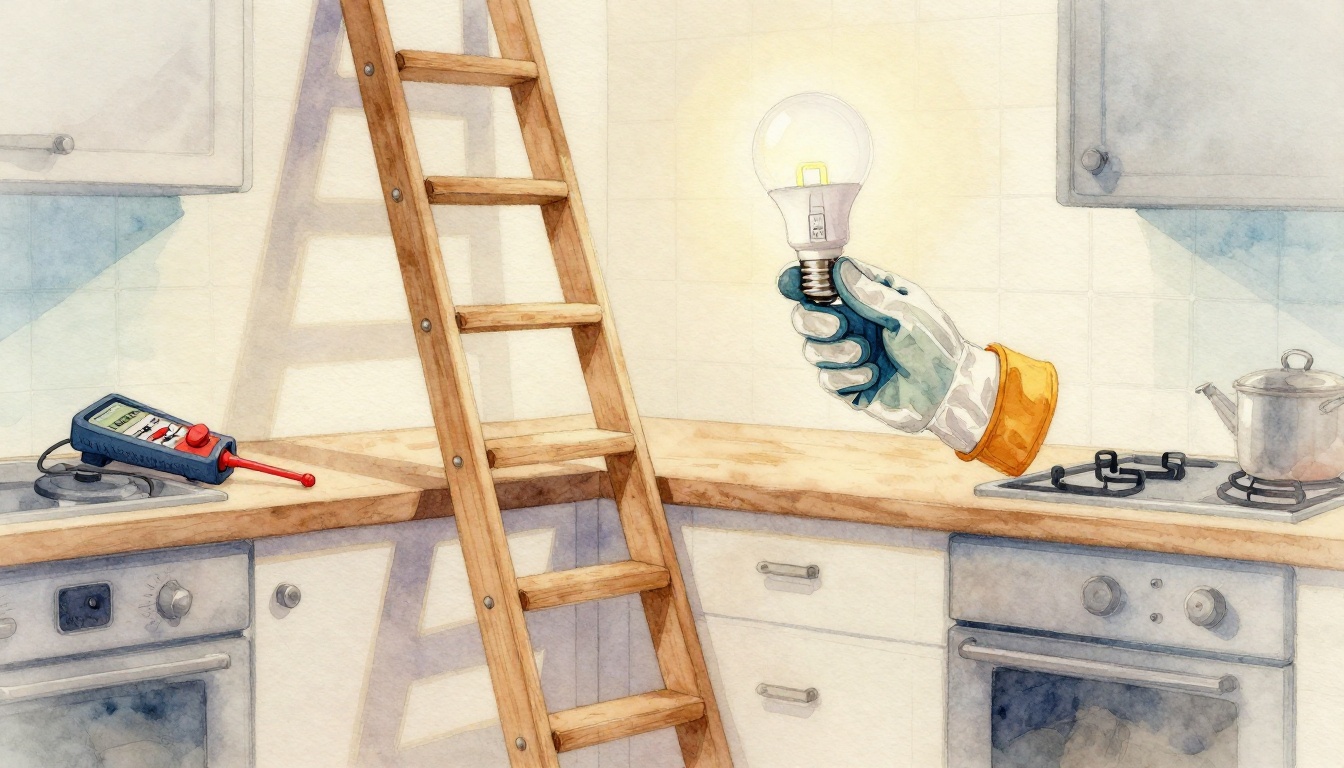
Picture this. You flip the switch, but the kitchen light flickers out. You grab a fresh bulb and climb up, only to feel a sharp jolt. Shocks like that send thousands to the ER each year. Burns from hot glass hurt too. Fires start when folks pick the wrong wattage.
You can avoid all that. Safe swaps prevent shocks, injuries, and blazes, especially in older homes with outdated wiring. This guide covers simple bulb changes, full fixture swaps, key tools, common pitfalls, and smart LED picks. You’ll follow 2026 NEC rules from the National Electrical Code and NFPA standards. These steps use lockout/tagout/verify methods. Beginners get clear, easy paths to brighter lights without stress.
Power off first every time. Test with a voltage tester. Stick to LEDs for big savings. Let’s start with prep work so you stay safe from the start.
Gear Up with the Right Tools and Prep Your Workspace
Gather your gear before you touch any switch. A cluttered space leads to trips. Clear the floor under the light. Move chairs or boxes aside. Wear slip-resistant shoes for sure footing.
Prep saves time. It cuts fall risks too. Check your ladder next. Set it on flat ground. Lock all braces. Test wobble before climbing. For fixtures, a voltage tester proves power’s off. Even bulbs benefit from double-checks in damp spots.
Must-Have Items for Bulb Changes
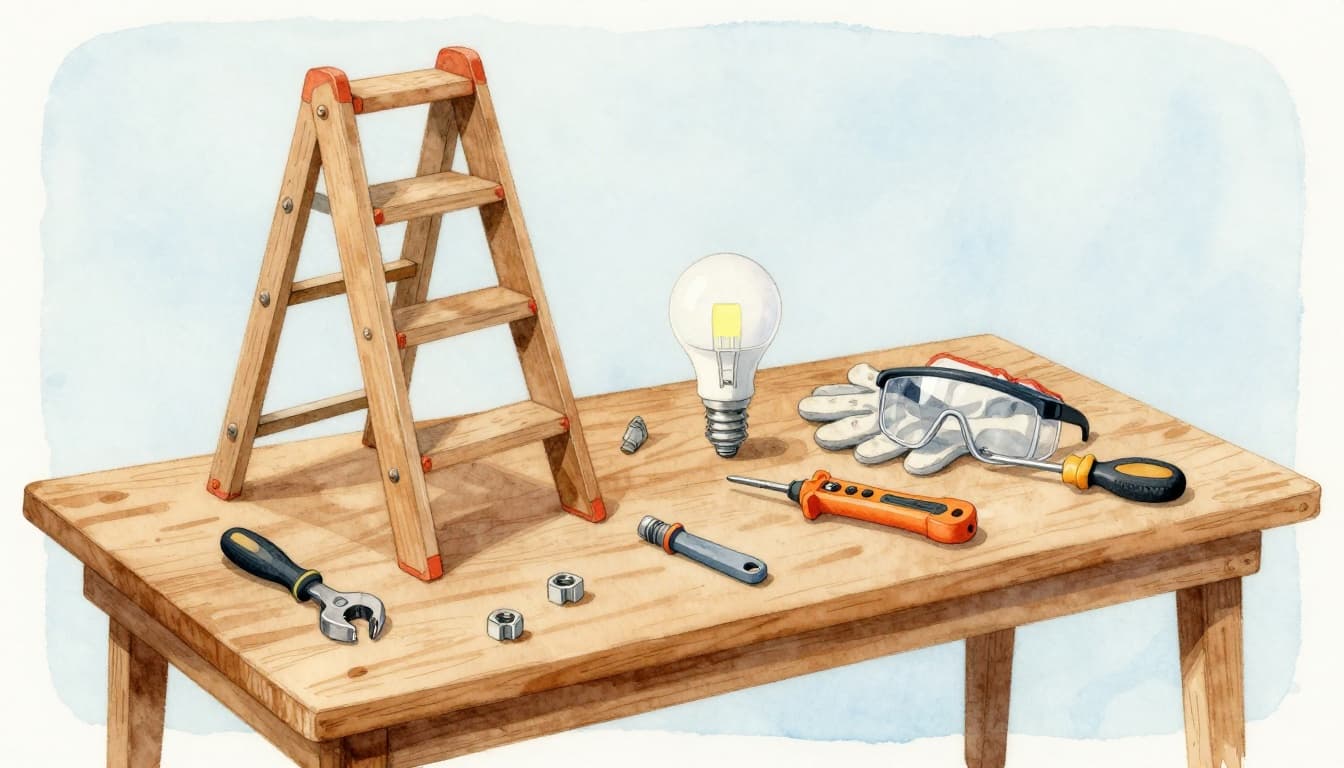
You need basics for quick bulb jobs. Grab a sturdy stepladder rated for your weight. Add thick work gloves. They shield from glass shards. Safety goggles protect your eyes too.
Pick the right new bulb. Check the fixture label for max wattage. Match it or go lower. LEDs fit most sockets. They run cool, so fires stay rare. A flashlight helps in dim spots. Keep your phone handy for wiring photos later if needed.
Extra Gear for Fixture Swaps
Fixtures demand more. A non-contact voltage tester confirms zero power. Wire nuts secure connections. Get a flat-head and Phillips screwdriver set.
Snap photos of old wires first. Note positions before you unplug. This makes reinstall simple. Pliers grip stubborn parts. Electrical tape covers sharp ends. These extras follow 2026 safety codes. They prevent arcs and shocks.
Master the Easy Bulb Replacement in Minutes
Bulb swaps take under five minutes. Start at the breaker panel. Flip the switch for that circuit off. Then kill power at the breaker. Wait five to ten minutes. Bulbs hold heat.
Test the socket with your voltage tester. No beep means safe. Climb the ladder steady. Grip the old bulb with a cloth. Turn counterclockwise gently. Don’t force it. Glass breaks easy.
Check your new bulb. Match base type like E26. Use LEDs at equal lumens or less wattage. Screw clockwise snug. Not too tight, or threads strip. Flip breaker on. Test the switch.
- Turn off power at breaker. Verify with tester.
- Let bulb cool fully.
- Position ladder stable. Climb with gloves on.
- Unscrew old bulb slowly.
- Inspect socket for damage.
- Install new bulb firm but gentle.
- Restore power. Check light.
This method dodges burns and shocks. For details on basic steps, see this safe bulb change guide.
Handle Tricky Spots Like High Ceilings
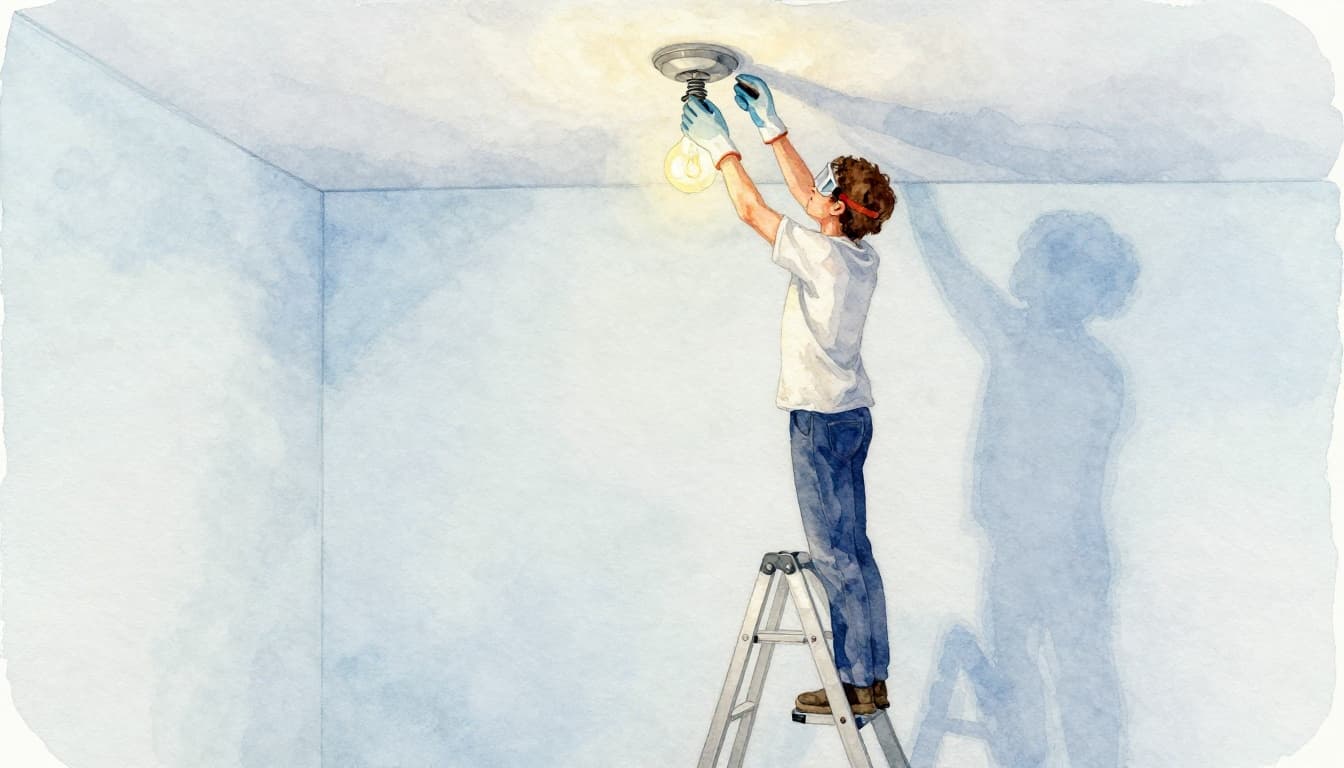
High spots challenge most. Place the ladder dead center. Extend fully. Have a spotter hold base if alone feels risky. Skip wobbly chairs or boxes.
Broken bulbs stuck? Power off first. Poke a potato end into glass. Twist out slow. Needle-nose pliers grab the base edge. Turn counterclockwise. For pro tips on removing broken bulbs, check reliable methods. Call an electrician if shards expose wires.
Swap a Whole Light Fixture Without the Stress
Fixtures involve wires. Shut breaker off. Test every wire with voltage tester. No lights or beeps confirm dead power. Remove old bulbs and shades.
Unscrew canopy. Note wire colors. Snap photos. Black is hot. White neutral. Green or bare ground. Disconnect twists or nuts careful.
Mount the new base. Match holes. Connect black to black. White to white. Ground to green screw. Twist firm. Cap with new nuts.
Secure canopy. Add bulbs under max wattage. Restore power. Test all functions. 2026 NEC stresses verify steps. They block deadly shocks.
If wiring looks odd or exposed, stop. Hire a licensed pro. Knob-and-tube in old homes needs experts.
Match Wires Perfectly Every Time
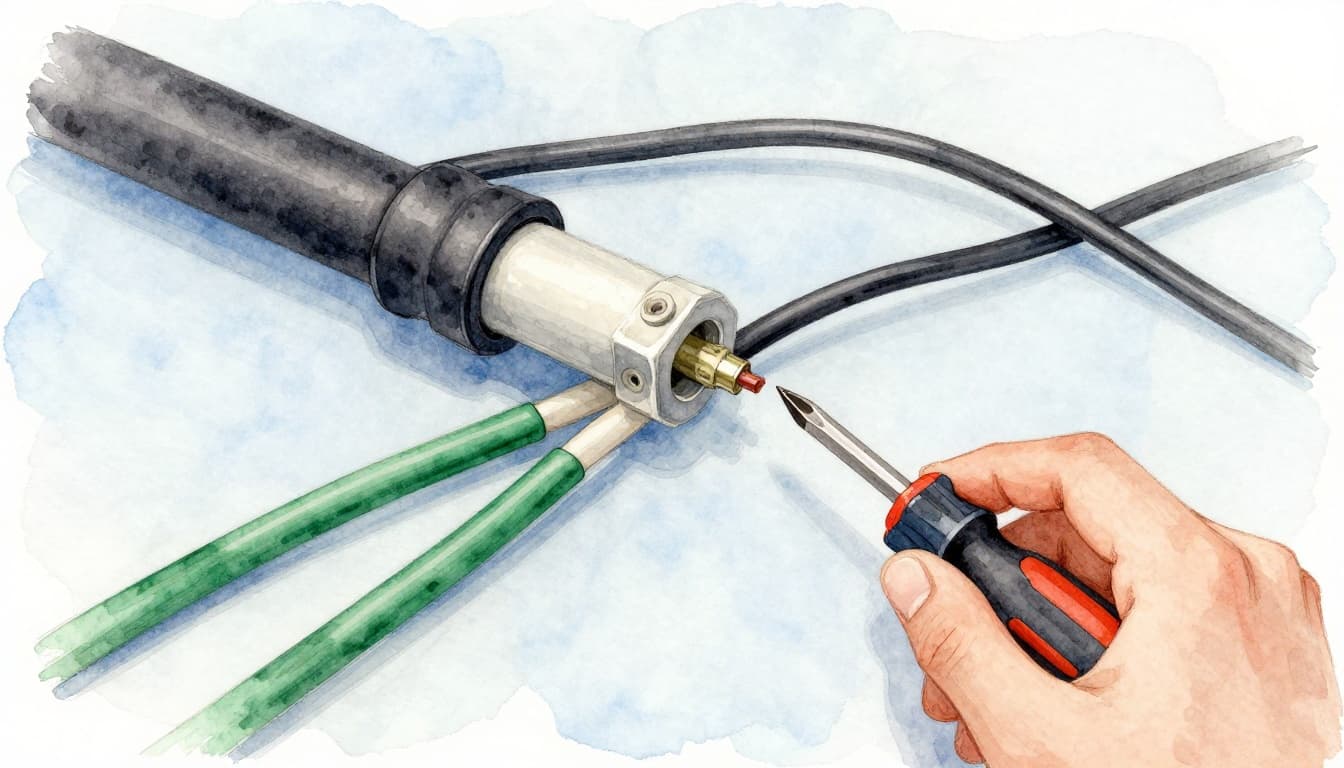
Colors guide you. Black hot wire carries power. White neutral returns it. Green ground drains faults safe.
Twist pairs clockwise. Slip wire nut over. Tug test secure. No sparks or fires result. For full US wire color standards, review these basics. Old homes vary, so test always.
Steer Clear of These Frequent Fumbles
Mistakes happen fast. Skipping breaker off shocks you. Even 120 volts kills. Always lockout/tagout/verify per NFPA 70E.
Hot bulbs burn fingers bad. Wait ten minutes minimum. Wrong wattage melts fixtures. Read labels. Over-tighten strips sockets.
Ladders slip without checks. Falls break bones. Broken glass tempts bare hands. Use tools instead.
Water near lights? GFCI trips save lives, but test monthly. Old wiring like pre-1990 needs updates. Spot these, call pros. Avoid DIY disasters.
Boost Efficiency with Modern Lighting Choices
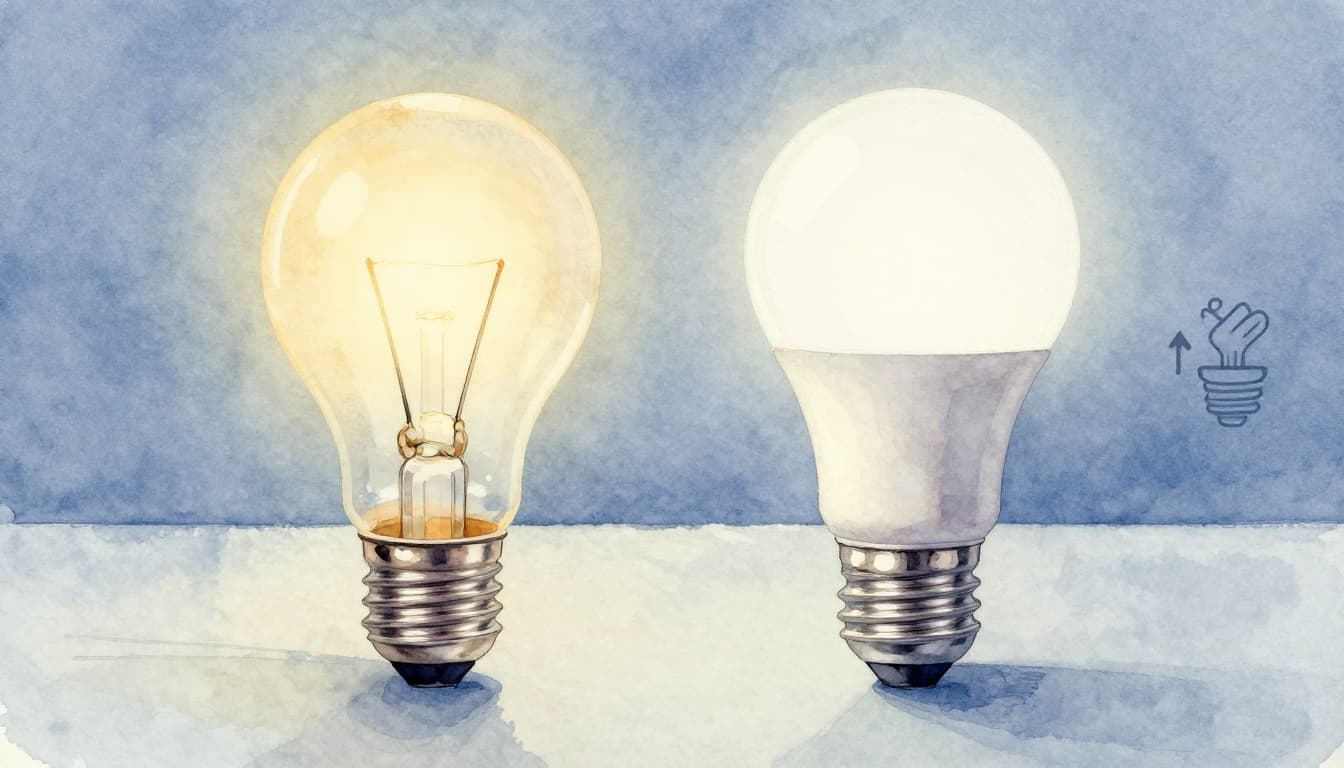
Ditch incandescents now. LEDs save 75 percent energy. They last 25 times longer. No mercury hassle like CFLs.
One bulb swap cuts costs quick. Average home with all LEDs saves $225 yearly at 2026 rates. Lighting eats 15 percent power. LEDs drop that sharp.
Pick dimmable or smart ones for kitchens. They fit 2026 homes perfect. Whole-home swaps max impact. Check LED savings math.
Power off always. Use right tools. Follow steps close. Know your limits.
Try a bulb change today. Quick win for safer light. Unsure on fixtures? Call an electrician.
Share your first safe swap in comments. Pin this for next outage. Subscribe for more home tips. Light up confident.