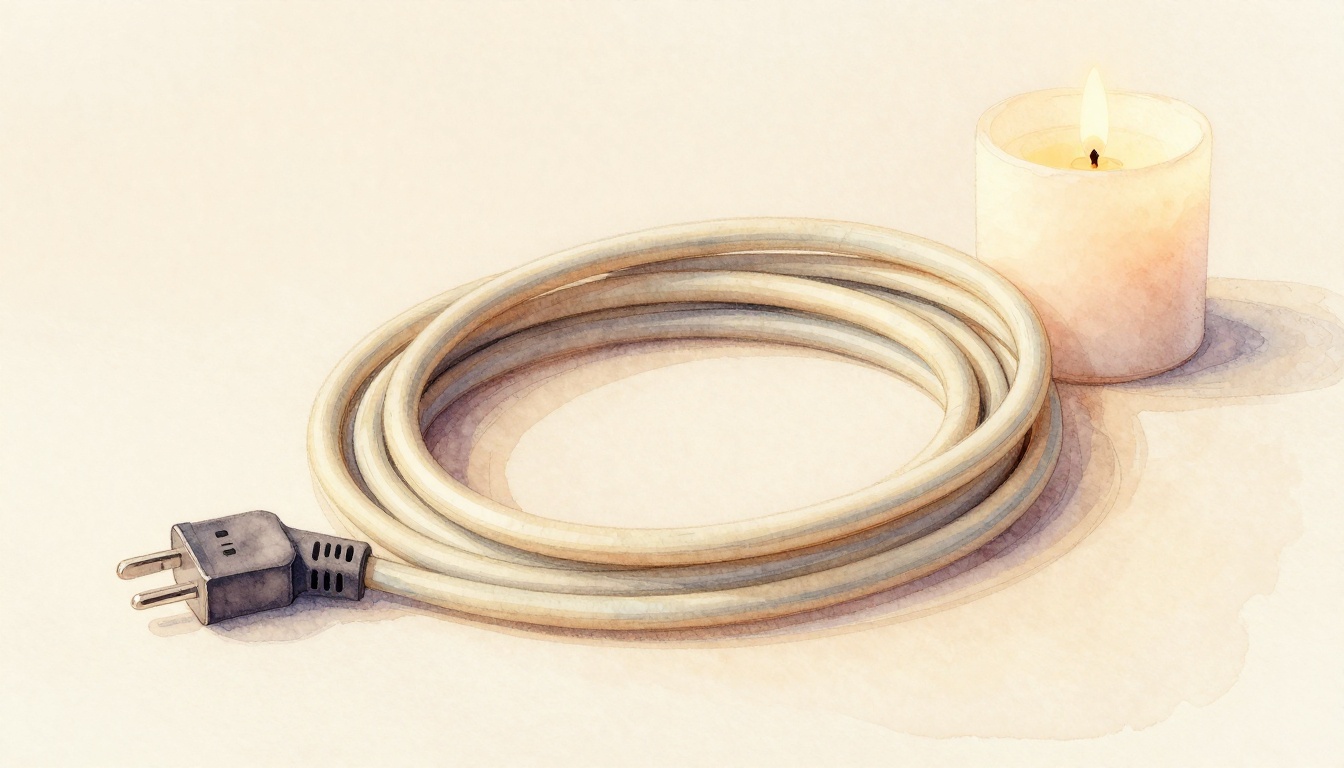
Extension cords spark roughly 3,300 home fires every year in the US. These blazes kill about 50 people and injure 270 others. In addition, they send around 4,000 folks to ERs annually, with half those visits from trips and falls over tangled cords.
You probably grab one without a second thought. After all, they seem simple and safe. However, damaged cords deliver shocks, and they tie to 10% of electrical distribution fires. Overloads or frays turn a quick fix into disaster, so extension cord safety matters more than you think.
Take my neighbor’s family last winter. They overloaded a single cord with a space heater, string lights, and a fan. Smoke poured out one night; thankfully, their smoke alarm blared early. No one hurt, but it shook them up. Stories like that happen too often because folks skip basic checks.
The good news? You can avoid all this with easy steps. We’ll walk through common risks first, so you spot trouble ahead. Then, learn how to pick the right cords for your needs. Next, cover safe daily use and smart maintenance habits.
Ready to plug in without worry?
Spot the Real Dangers Before They Hurt You or Your Home
Extension cords look harmless, but they hide serious risks. Overloads spark fires. Frayed wires deliver shocks. Tangled lines cause trips. Each year, these issues lead to thousands of injuries and dozens of deaths in US homes and workplaces. CPSC data shows about 3,300 home fires from cords alone, killing 50 people and hurting 270 others. Another 4,000 people hit ERs, often from falls. Shocks add 2,200 more injuries yearly.
Spot these threats early. Check for warm cords, flickering lights, or melted plugs. Cords under rugs trap heat and spark faster. Outdoor ones in water invite shocks. Adopt a prevention mindset now. Here are the top risks in simple terms:
- Overheating fires from too many plugs (most common cause).
- Shocks from damaged insulation or missing ground pins.
- Trips and falls in walkways or job sites (half of ER visits).
- Other hazards like counterfeit cords without safety labels.
Fires: The Biggest Threat from Overloaded Cords
Plug too many devices into one cord, and you exceed its amp rating. Heat builds up fast. Insulation melts. Fires start.
Take a 10-amp cord. Add a laptop at 3 amps, a TV at 2 amps, and a heater at 7 amps. Total hits 12 amps. Overload. The cord gets hot, like a toaster coil inside your wall.
NFPA and CPSC report these overloads cause most of the 3,300 annual fires. For more details, see the CPSC Extension Cords Fact Sheet.
Calculate your load simply. Check device labels for amps (or watts divided by 120 volts). Add them up. Stay under the cord’s rating. Use one high-power item per cord. Unplug extras when idle. This stops heat before it spreads.
Shocks and Worse: When Wires Go Bad
Damaged cords expose live wires. You force a tight plug, or someone cuts the ground prong. Touch it, and electricity surges through you.
Frayed spots come from pinching under doors or rugs. Kids chew ends. Results? Burns or worse. CPSC ties cords to 2,200 shock injuries yearly. Electrical deaths hover around 14 from these mishaps.
Counterfeit cords lack real UL labels. They fail fast. Buy from trusted sellers. Look for the UL mark. Test with a plug-in checker.
Prevent this. Inspect cords weekly. Replace any with cracks or bent pins. Use GFCI-protected ones outdoors or wet areas. Ground prongs save lives.
Slips and Injuries: Cords as Trip Hazards
Cords across floors turn walkways into traps. You step wrong. Down you go. Fractures, cuts, or sprains follow.
Half of the 4,000 ER visits stem from these falls. Workplaces see even more. OSHA requires cords off paths or taped down. Job sites must use guards.
Tape cords flat in homes. Run them along walls. Coil extras neatly. In offices, add covers. Kids and pets trip easiest, so watch play areas.
Follow these steps, and cords stay safe helpers, not hazards.
Pick the Best Extension Cord to Match Your Setup
You spot the dangers now, so pick cords that fit your needs perfectly. Mismatches cause most problems. Match amps to your devices, choose the right type for inside or out, and check labels. Shorter, thicker cords lose less power and stay cooler. This guide helps you shop smart at any store.
Understanding Amp Ratings and Wire Thickness
First, figure out your power needs. Check device labels for amps or watts. Divide watts by 120 volts to get amps. A 1,200-watt heater pulls 10 amps, for example. Stay under the cord’s rating, or heat builds up.
Wire thickness matters too. It uses AWG numbers. Lower numbers mean thicker wire that handles more power over distance. A 16 AWG cord suits lights up to 13 amps on short runs. Go to 12 or 14 AWG for tools, since they draw more and need less voltage drop.
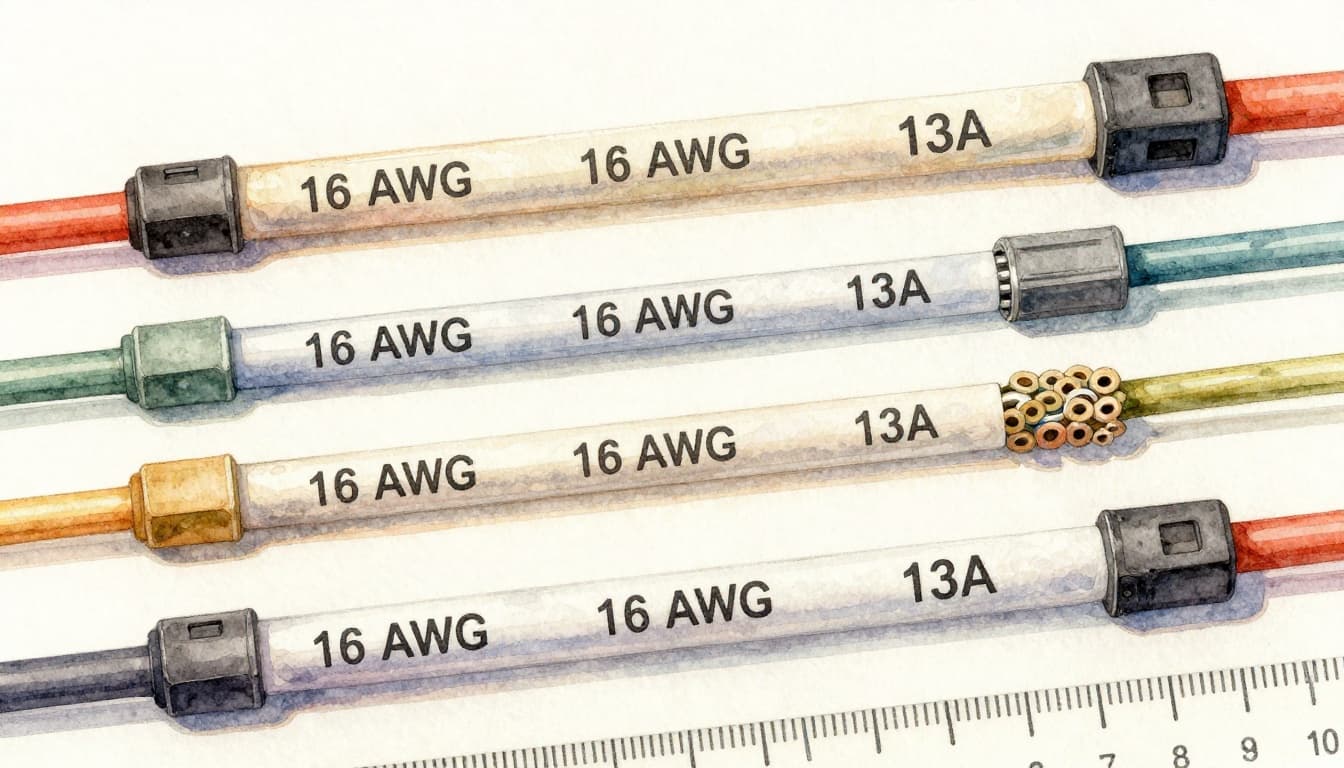
Thinner cords work fine nearby, but they drop voltage far away. Tools slow down. Cords overheat. For instance, at 50 feet, use 14 AWG for 10-13 amps.
Here’s a quick guide from CPSC and NFPA data:
| Length | Light Duty (0-10A) | Medium (10-13A) | Heavy (13-15A) |
|---|---|---|---|
| 25 ft | 16 AWG | 14 AWG | 14 AWG |
| 50 ft | 16 AWG | 14 AWG | 12 AWG |
| 100 ft | 14 AWG | 12 AWG | 10 AWG |
See detailed AWG charts for amps and lengths to match your setup. Buy thicker for safety.
Indoor, Outdoor, and Heavy-Duty Options Explained
Next, pick by use. Indoor cords stay dry. They use thin jackets like SJT. Fine for lamps or chargers inside.
Outdoor ones resist weather. Look for ‘W’ markings, like SJTW. Yellow or orange colors help spot them. Thicker jackets block water and cold. Never take indoor cords outside; moisture shorts them fast.
Heavy-duty cords take abuse. They use 12 AWG or thicker for power tools or heaters. Extra flexible for jobsites.
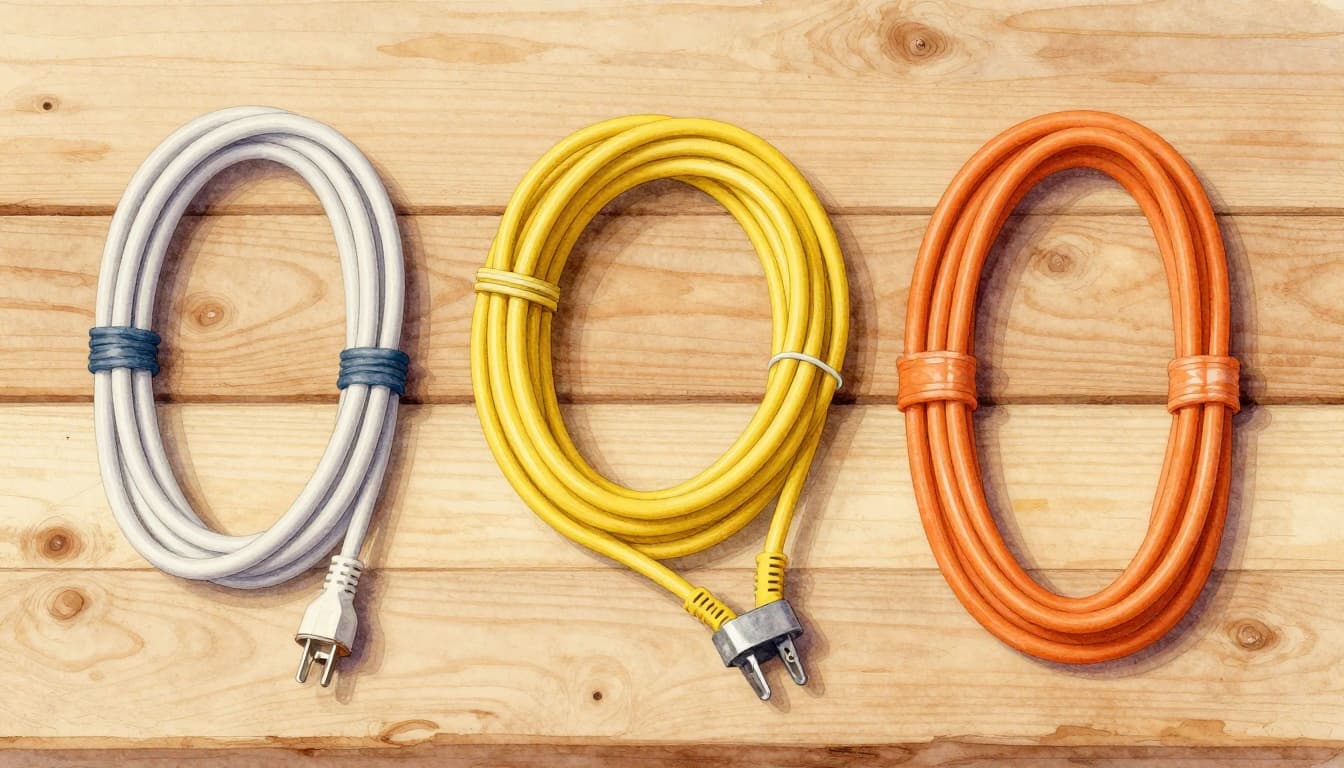
Always seek UL or ETL labels. They prove tests for safety. Skip fakes without them. For comparisons, check types of cords for indoor and outdoor.
Shop with your load in mind. One cord per big tool. Shorter lengths cut risks. You stay safe and powered up.
Master These Habits for Risk-Free Extension Cord Use
Cords work best as short-term fixes, not permanent setups. You plug in for a holiday display or yard work, then unplug soon after. Daily habits keep fires and shocks away. Follow these rules, and your home or workspace stays safe. Start with basic no-gos that trip up most folks.
Steer Clear of Daisy-Chaining and Overloads
Never plug one cord into another. That daisy-chaining adds resistance and heat. Fires start fast because connections overheat. Instead, use one cord per outlet. CPSC calls this a top cause of the 3,300 yearly home fires.
Calculate your total draw first. Check labels on devices for amps or watts. Divide watts by 120 to get amps. Add them up. Keep the sum under your cord’s rating. For example, a 13-amp cord handles a 5-amp vacuum plus lights at 3 amps. Skip the fan; that hits 15 amps and sparks trouble.
My friend learned this hard way during a garage cleanup. He chained two cords for his saw. Smoke rose mid-cut. He unplugged quick, but replaced both cords after. Check NFPA’s fire safety tips on extension cords for more stories.
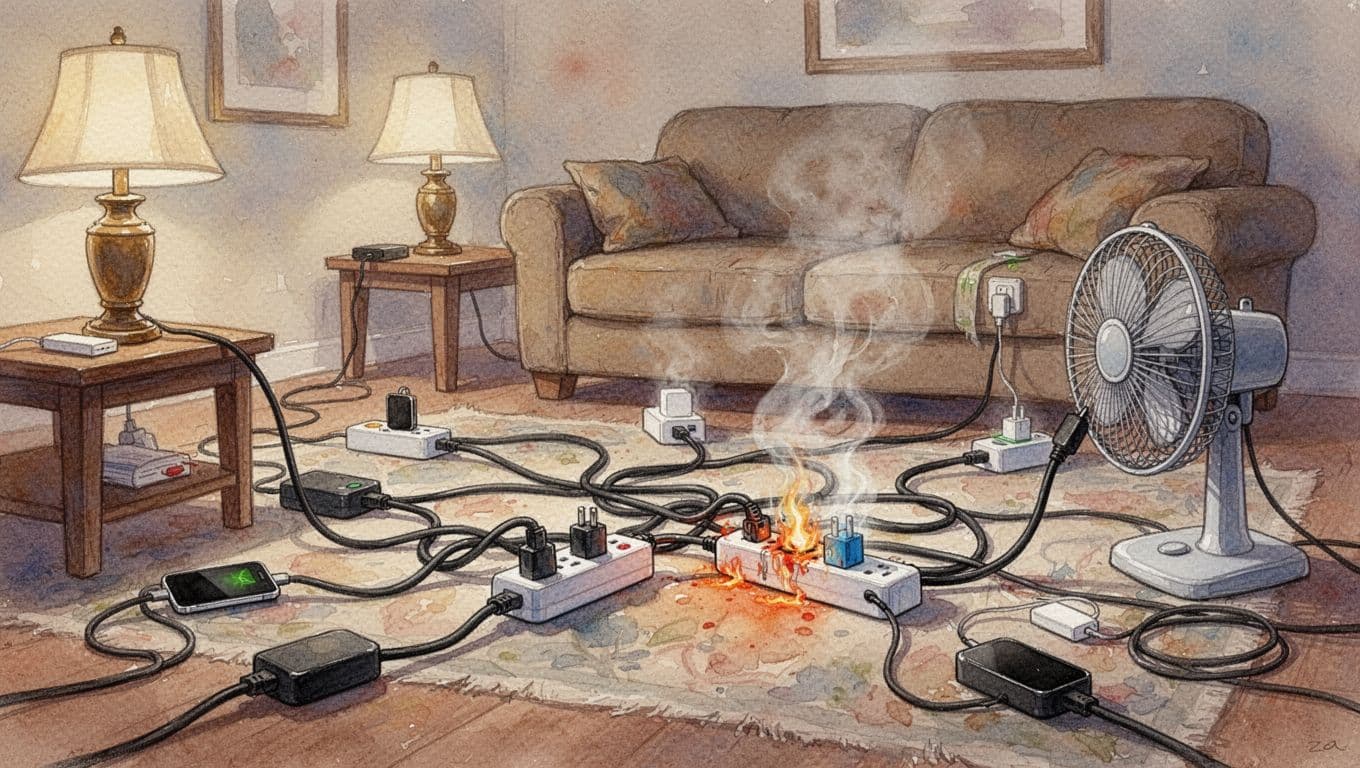
At work, OSHA bans this too. Replace temp cords with outlets in 30 days max.
Smart Places to Run and Secure Your Cords
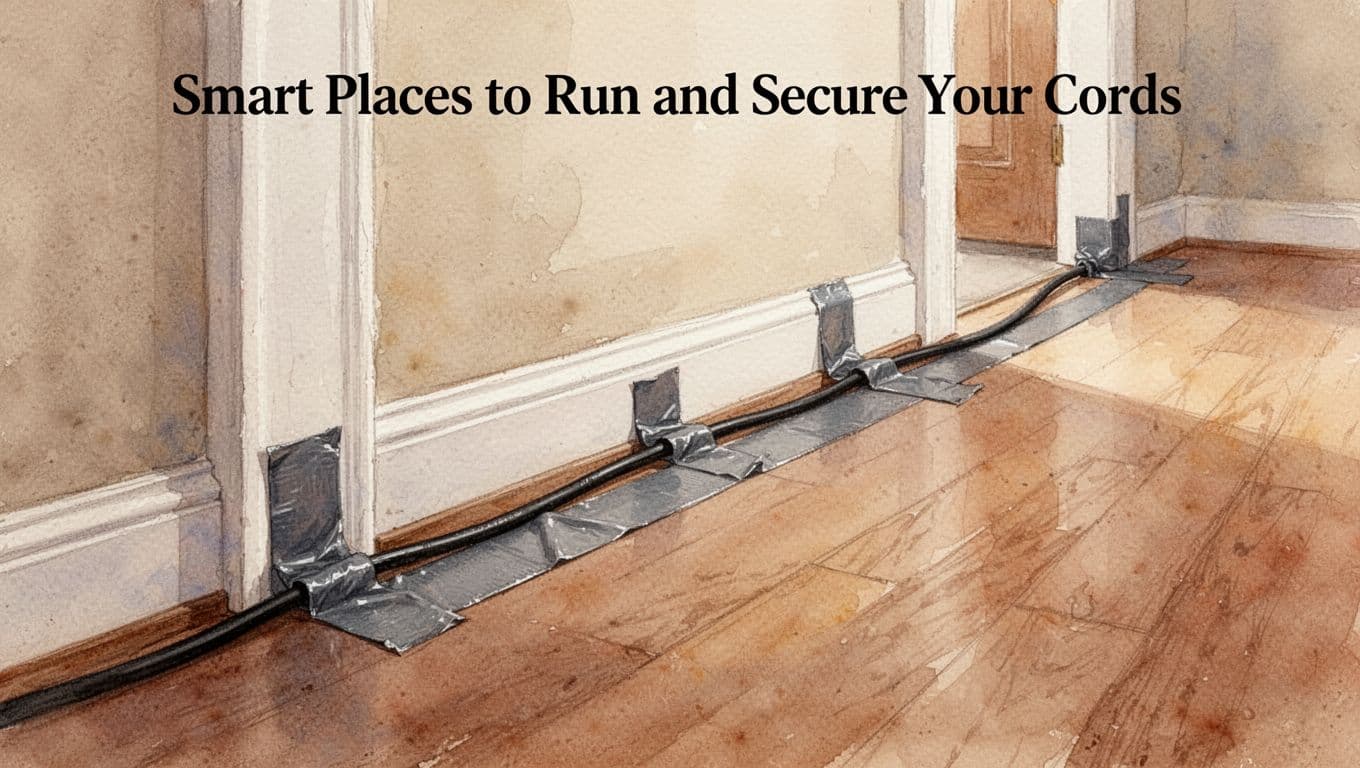
Route cords along walls or baseboards. Tape them down flat with electrician tape; duct tape works in a pinch. Keep them out of doorways, walkways, and stair paths. Trips cause half the 4,000 ER visits each year.
Elevate cords over traffic spots if you must cross paths. Avoid rugs, carpets, or snow piles outside; they trap heat and moisture. Don’t pinch under doors or run through walls. Heat builds, insulation cracks.
Picture a busy kitchen. You tape a cord along the wall for a blender. No one trips at dinner. Secure it right, and it lasts.
In offices or sites, OSHA says cover paths or use guards. Unroll fully before plugging; coils overheat like a slow cooker.
Match plugs perfectly every time. Force nothing; it frays wires.
Here’s a quick safe setup checklist:
- One cord, one outlet.
- Total amps under rating.
- Taped flat, off paths.
- Unplugged when done.
Appliances and Devices That Spell Trouble
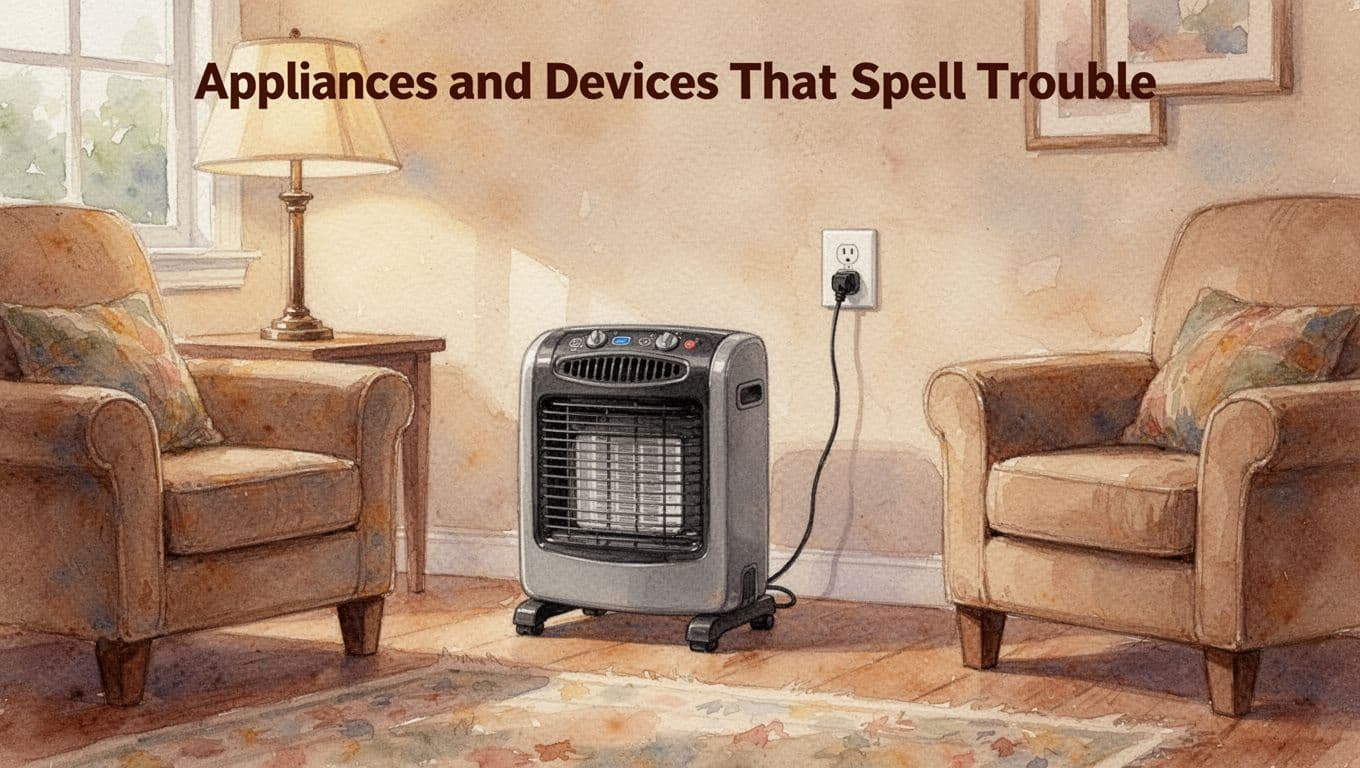
High-draw items overload cords quick. Skip space heaters, irons, toasters, or AC units. They pull 10-15 amps and melt thin wires. Plug them straight into walls instead.
Last winter, a family ran a heater through a cord. It glowed red; alarm saved them. CNET warns against this for good reason; see their guide on space heaters and cords.
Lights and chargers work fine. But hair dryers? Direct outlet only. Outdoors, no fans or pumps on indoor cords.
Unplug everything nightly. Cords stay cool, homes stay safe.
Keep Cords in Top Shape with Easy Checks and Storage
Your cords last longer with simple habits. Check them often, store them right, and they won’t fail you. Treat this routine like brushing your teeth. It prevents big problems down the road. In addition, you cut fire risks because damaged cords cause many of those 3,300 yearly blazes.
Build a Fast Inspection Habit Each Time
Grab a cord before you plug it in. Run your fingers along the whole length. Feel for soft spots or thin areas. Look close for frays or cracks in the jacket. Check plugs for bent prongs, loose bits, or heat marks like discoloration.
A damaged cord sparks fires or shocks, so toss it out right away. Don’t tape it up; that hides trouble. CPSC urges quick checks to spot issues early; see their extension cord safety guide.

For example, I check mine weekly in the garage. One had a pinched spot from last summer. Out it went, no regrets. Meanwhile, test in use too. Warm plugs mean overload; unplug and replace.
Store Them Loose and Ready for Next Time
Unplug idle cords every night. Heat fades, wear slows. Coil with the over-under method: loop one way, then the other. This avoids kinks that crack wires inside.
Hang them on wall hooks in a dry garage spot. Keep away from sun and wet floors. Group by length or type so you grab the right one fast. No tight wraps around boards; they crush insulation over time.

If you need power often, add outlets instead. Electricians do it cheap. As a result, cords stay backup tools only. Follow these steps, and your setup runs safe for years.
Conclusion
You know the risks now, from those 3,300 home fires each year that kill 50 people and injure 270 others. In addition, picking the right cord by amps, AWG, and type keeps heat away. Smart use stops overloads and trips, while quick checks spot frays before trouble hits.
Extension cord safety boils down to these steps: match your load, run cords right, and inspect often. Because simple habits prevent shocks, falls, and blazes that send 4,000 folks to ERs annually. Above all, treat cords as temp tools, not wiring fixes.
Grab your cords today and run that finger test. Share this post with a friend who overloads heaters. Then, head to CPSC.gov for the latest recalls.
Safe power stays simple when you follow through. What’s one change you’ll make first? Check our FAQ next for quick answers on cord ratings and more.