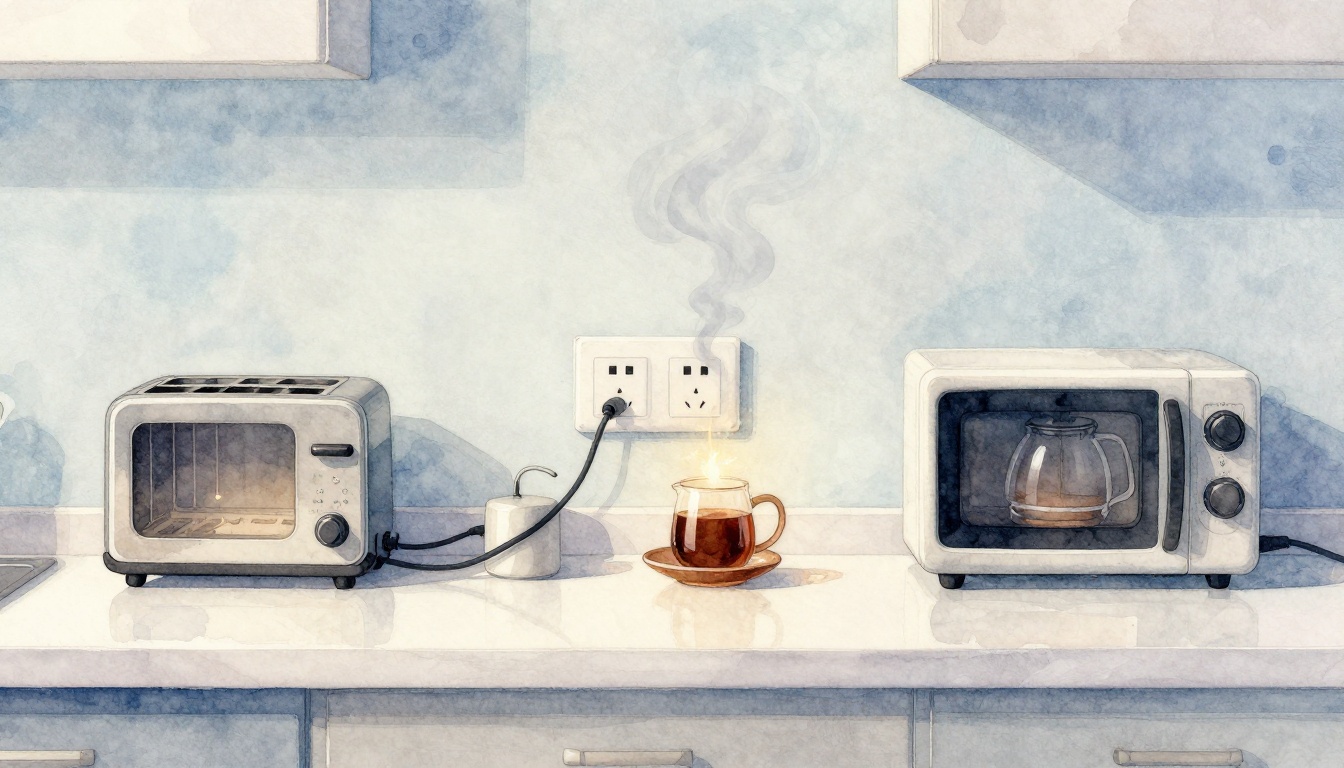
Electrical failures spark about 46,700 home fires each year, according to NFPA data from 2015 to 2019. These blazes cause 390 deaths, 1,330 injuries, and $1.5 billion in damage on average. Picture this: a family rushes to make breakfast, plugs in the toaster, microwave, and coffee maker on one outlet, and suddenly smoke fills the kitchen.
You face these risks daily without realizing it. Overloaded circuits, loose connections, short circuits, ground faults, faulty wiring, and damaged cords top the list of common threats. This post breaks them down with warning signs, real dangers, and easy fixes. Stay safe by spotting issues early.
Unpacking the Top Electrical Hazards Lurking in Your Home
Homes hide electrical dangers that build over time. Recent NFPA and ESFI reports highlight six main culprits in residential fires. They stem from everyday use and aging systems. Let’s examine each one.
Overloaded Circuits
You overload a circuit when high-power appliances share one outlet. Think microwaves, toasters, and space heaters on a 15-amp line. This exceeds safe limits and causes heat buildup.
Heat melts insulation on wires. It leads to fires in 13% of home structure blazes, per NFPA. For example, a busy morning kitchen routine trips the breaker. Yet repeated use ignores the warning.
Older homes struggle most because modern gadgets draw more power. Check your panel labels for amp ratings. Spread loads across outlets to avoid this.
Loose Electrical Connections
Plugs that wiggle or wires with poor contacts create arcing. Sparks reach 10,000 degrees Fahrenheit. They ignite dust or nearby materials fast.
Arcing faults start over 28,000 home fires yearly, ESFI notes. Loose connections contribute to 63% of property damage in these incidents. A wobbly lamp plug in the living room might spark visibly at night.
Tighten screws in outlets yearly. Replace worn plugs. These steps cut risks from poor fits.
Short Circuits
A short happens when hot wires touch neutral or ground paths. Current surges, generating intense heat and sparks. NFPA links them to 32% of electrical distribution fires.
Frayed cords inside appliances often cause this. For instance, a damaged vacuum cord brushes metal housing. The surge melts components and starts fires.
Inspect appliances for wear. Use surge protectors rated for your needs. Quick action prevents escalation.
Ground Faults
Hot wires contact ground wires or metal boxes in this fault. Moisture worsens it in bathrooms or kitchens. Shocks become likely because paths complete through you.
These act like mini shorts but focus on ground paths. Wet areas amplify danger since water conducts electricity. ESFI stresses protection here.
Install devices that detect these fast. They trip power before shocks occur.
Faulty or Outdated Wiring
Aluminum wiring from the 1960s and 1970s poses 55 times more fire risk than copper. Knob-and-tube systems before 1950 lack grounds entirely. About 71% of U.S. homes predate 1990.
Faulty wiring plays into 20% of non-confined fires. An old house with original setup overloads during peak use. Lights dim; breakers heat up.
Professionals spot these during inspections. Updates match today’s loads like EVs.
Damaged Cords and Extension Misuse
Frayed cords spark 2,000 fires yearly. Daisy-chained strips or rugs over extensions add 3,300 more. Pets chew insulation; feet pinch wires.
A power strip under carpet overheats unnoticed. It ignites flooring. ESFI outlines home safety risks from such misuse.
Replace damaged items immediately. Use extensions temporarily only.
Common cord damage from pets and heavy use.
Warning Signs Your Electrical System Is Crying for Help
Your home sends clear alerts before disaster. CPSC and ESFI list red flags anyone can spot. Act fast on these. They signal overloads or faults.
Frequent Circuit Breaker Trips or Blown Fuses
Breakers trip to protect circuits. Repeated resets mask real problems like overloads. Holiday lights plus heaters push limits.
Incorrect breakers fail in 12% of fire cases. Investigate causes first. Call pros if trips persist.
Warm, Discolored, or Buzzing Outlets
Outlets warm from arcing or excess current. Scorch marks mean insulation fails. Buzzing hints at loose wires.
Touch feels tingling? That’s shock risk. Unplug everything and test. CPSC details wiring hazards like these.
Flickering Lights or Loose Plugs
Lights dim when big appliances start. Plugs slip out easily from worn contacts. Both point to loose wiring.
Arcing causes buzzing too. Check fixtures monthly. Tighten as needed.
The Serious Risks These Hazards Pose to Your Family
Ignore these, and consequences hit hard. Electrical issues rank second in home fires, causing most property damage. They lead to shocks, especially near water.
Fires from arcing destroy homes fast. One family lost everything to a loose outlet spark. Kids face shocks from faulty plugs; 65% of fire deaths link to missing alarms.
Breaker failures during surges leave you dark and vulnerable. Equipment fries too, costing thousands. Simple neglect turns minor issues tragic. Protect loved ones now.
For full stats, see NFPA’s report on electrical home fires.
Smart Steps to Prevent Electrical Hazards Right Now
Fixes start simple and cheap. Experts from NFPA recommend inspections first. Follow 2026 NEC updates for best protection.
Add GFCI Protection in Wet Zones
GFCIs cut power in milliseconds during faults. Install in kitchens, baths, garages, and outdoors. They slash shock risks by 99%.
New codes require them for HVAC by September. Swap old outlets yourself or hire help.
Inspect and Fix Cords, Avoid Overload Tricks
Check cords monthly for frays or cracks. Toss damaged ones. No daisy-chaining strips.
Spread appliances over circuits. Match watts to ratings. This prevents heat buildup.
Upgrade Old Wiring, Outlets, and Panels
Replace two-prong outlets with grounded three-prong. Rewire aluminum or knob-and-tube. Panels must handle EV chargers now.
ESFI warns on older home dangers. Pros ensure code compliance.
Never Ignore or Repeatedly Reset Tripping Breakers
Find the overload cause. Unplug suspects one by one. Persistent trips need electrician checks.
Test AFCIs monthly for arcing detection.
Easy GFCI swap protects wet areas.
Electrical hazards like overloaded circuits and arcing hide in plain sight. Spot signs such as trips or warm outlets, then act with GFCIs and inspections.
Schedule a pro check today. Small steps keep fires away. Share your close calls in comments. Pin this as your safety guide. Your home stays powered and safe.
(Word count: 1,482)