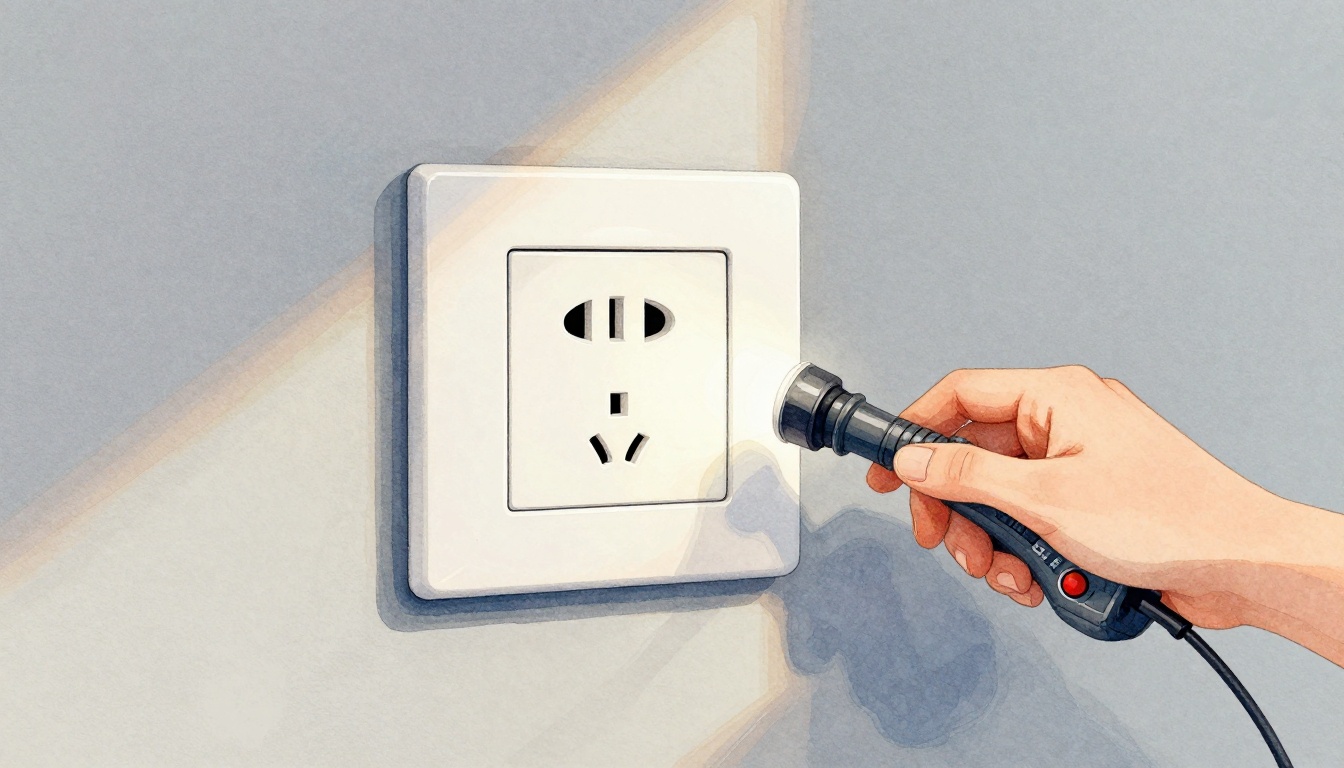
You plug in your phone charger after a long day. Nothing happens. The lamp stays dark too. A dead power outlet hits at the worst times and disrupts your routine.
These failures happen often in US homes. Loose wires, overloads, or tripped safety devices cause most of them. The good news? You can fix many yourself. No big tools or costs needed in most cases.
This guide walks you through safety first, quick checks, and fixes like resetting breakers or GFCIs. You’ll learn when to skip DIY and call a pro. Follow these steps, and you might restore power in minutes. Let’s start with the most important part.
Put Safety First Before Touching Anything
Electricity shocks hard. It starts fires too. So always prioritize safety. That prevents accidents and gives you peace of mind.
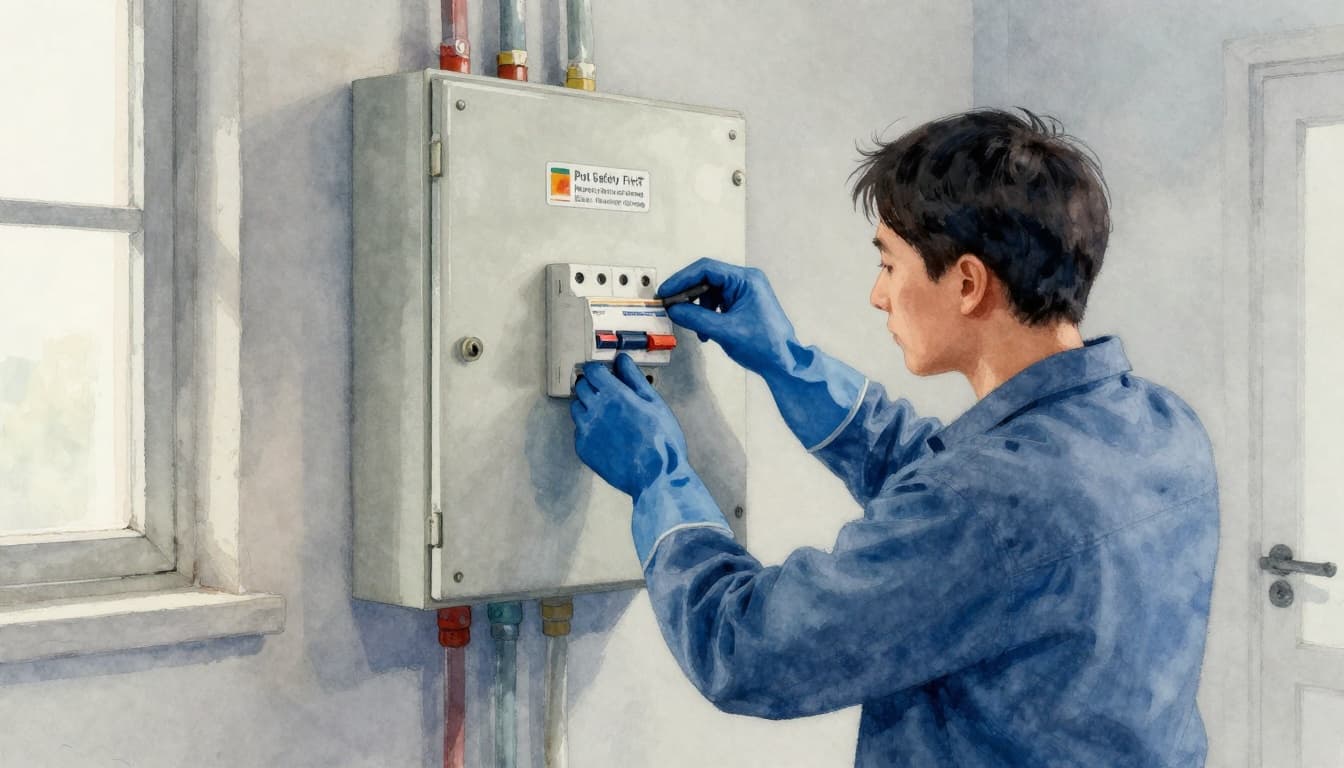
Turn off the breaker for that outlet before any work. Use a plugged-in lamp to find it if labels miss the mark. Tape a note on the panel that says “Do Not Turn On.” Test tools on a working outlet first.
Grab these basics: non-contact voltage tester, multimeter, screwdrivers, and pliers. The tester beeps near live wires. A multimeter measures voltage. Screwdrivers fit outlet screws. Pliers grip wires safely.
Why bother? Live power kills. One wrong touch leads to injury. Pros follow these rules every time. You should too.
How to Find and Identify Your Outlet’s Breaker
Locate your electrical panel. It’s often in the basement, garage, or utility room. Open the door.
Plug a lamp into the dead outlet. Turn it on. Flip breakers one by one at the panel. The lamp goes out when you hit the right one. Note that breaker number.
Don’t guess. Wrong flips affect other rooms. It wastes time and risks overloads. Label breakers after for next time.
Test with your voltage tester. No beep means power’s off. Double-check nearby outlets too. Safety confirmed? Move on.
Run These Quick Tests to Narrow Down the Problem
Start simple. Plug a known good device, like a lamp, into the outlet. No power? It’s dead for sure.
Check outlets nearby. Test rooms on the same side of the house. Power out there too? A whole circuit failed. That points to the breaker.
Look close at the outlet. See burn marks, cracks, or scorch signs? Those mean damage. Stop and note it.
These tests take two minutes. They save hours of wrong fixes. Plus, you spot dangers early.
For more on initial checks, see this step-by-step troubleshooting guide.
What Burn Marks or Cracks Really Mean
Burn marks look black or brown. They come from arcing heat. Cracks show impact or age wear.
These signal overheating. Wires inside might melt. Power on them risks fire.
Don’t use that outlet. Unplug everything. Call a pro right away. DIY won’t fix deep damage.
Spot them under light. Feel for loose feel too. Better safe than sorry.
Reset Your Circuit Breaker Step by Step
Breakers trip from overloads or shorts. They protect your home. Reset them wrong, and problems return.
Find the panel. Look for the tripped breaker. It’s off or in middle.
Follow these steps:
- Push the breaker fully to OFF. You hear a click.
- Flip it to ON. Firm click means it set.
- Plug in your lamp. Power back? Great.
- If it trips again, stop. Unplug high-draw items first.
Overloads happen from too many appliances. Shorts touch hot wires wrong. Either way, repeated trips mean trouble.
Check safety tips for resetting breakers before you start.
What If the Breaker Won’t Stay On
It pops back off fast. That’s a ground fault or short. Serious stuff.
Risks include fire or shocks. Wires overheat quick.
List these signs: buzzing noise, hot panel smell, or flickering lights. Call an electrician now. Don’t force it.
Pros find hidden faults. You avoid bigger bills later.
Hunt Down and Reset GFCI Outlets Protecting It
GFCIs save lives in wet spots. Kitchens, baths, garages have them. One trip kills power to downstream outlets.
Look for TEST and RESET buttons. Red or black usually.
Check all GFCIs in your home. Press RESET firm till click.
Test with a lamp after. Power flows again? Done.
If it won’t hold or trips right back, it’s faulty. Replace it. Get GFCI reset instructions here.
Numbered steps for reset:
- Unplug devices from affected outlets.
- Find GFCI. Press TEST. It pops.
- Press RESET till click.
- Plug in and test.
GFCIs detect ground faults fast. Water or wear trips them. Smart safety feature.
Open the Outlet and Check for Loose Wires
Power off and tested? Now inspect inside.
Remove the cover plate. Two screws usually.
Pull out the outlet gently. Wires attach to screws or back.
Look for loose, melted insulation, burns, or green corrosion. Common in older homes.
Tighten brass screws clockwise. Wires wrap under.
Reassemble. Turn breaker on. Test.
Damage inside? Buy a new outlet. $2 at stores. Swap if comfy.
Detailed steps:
- Confirm power off with tester.
- Unscrew cover and outlet box screws.
- Pull out. Inspect each wire: black hot, white neutral, green ground.
- Tighten loose ones. No nicks.
- Push back. Screw tight.
- Cover on. Power up.
Loose connections cause most failures. They arc and fail over time.
Tightening Wires Without Damaging Them
Strip 3/4 inch insulation if frayed. Use wire strippers.
Wrap clockwise under screw head. Tight but no strip bare wire.
Pull test. Stays? Good.
No exposed copper on sides. That sparks.
Unsure? Skip to pro.
Signs You Need a Licensed Electrician Now
Some fixes beat DIY. Know the red flags.
Repeated breaker trips signal overloads or shorts. GFCI won’t reset means ground fault.
Visible damage like melts or cracks? Fire risk high.
Still dead after all checks? Wiring issue deep.
You feel uneasy? That’s smart.
Electricians use code tools. They fix roots, not symptoms. Homes stay safe with warranty.
Call local pros. They inspect fast.
Simple Habits to Keep Outlets Working Long-Term
Prevent most issues with care. It extends life.
- Plug no more than one high-draw item per outlet.
- Use surge protectors for spikes.
- Keep outlets dry. Wipe dust monthly.
- Inspect for warmth or looseness yearly.
Overloads top causes. Corrosion follows in damp spots.
Older homes need updates. Add GFCIs where missing.
These steps cut failures. Your home runs smooth.
Wrap-Up: Fix That Dead Outlet Today
You now know safety checks, quick tests, breaker and GFCI resets, wire tweaks, and pro signs. Most dead outlets revive with these.
Start now. Turn off power safe. Follow steps in order.
Fixed it? Share your story in comments. What tripped yours?
Subscribe for more home fixes. Stay powered up.
(Word count: 1492)