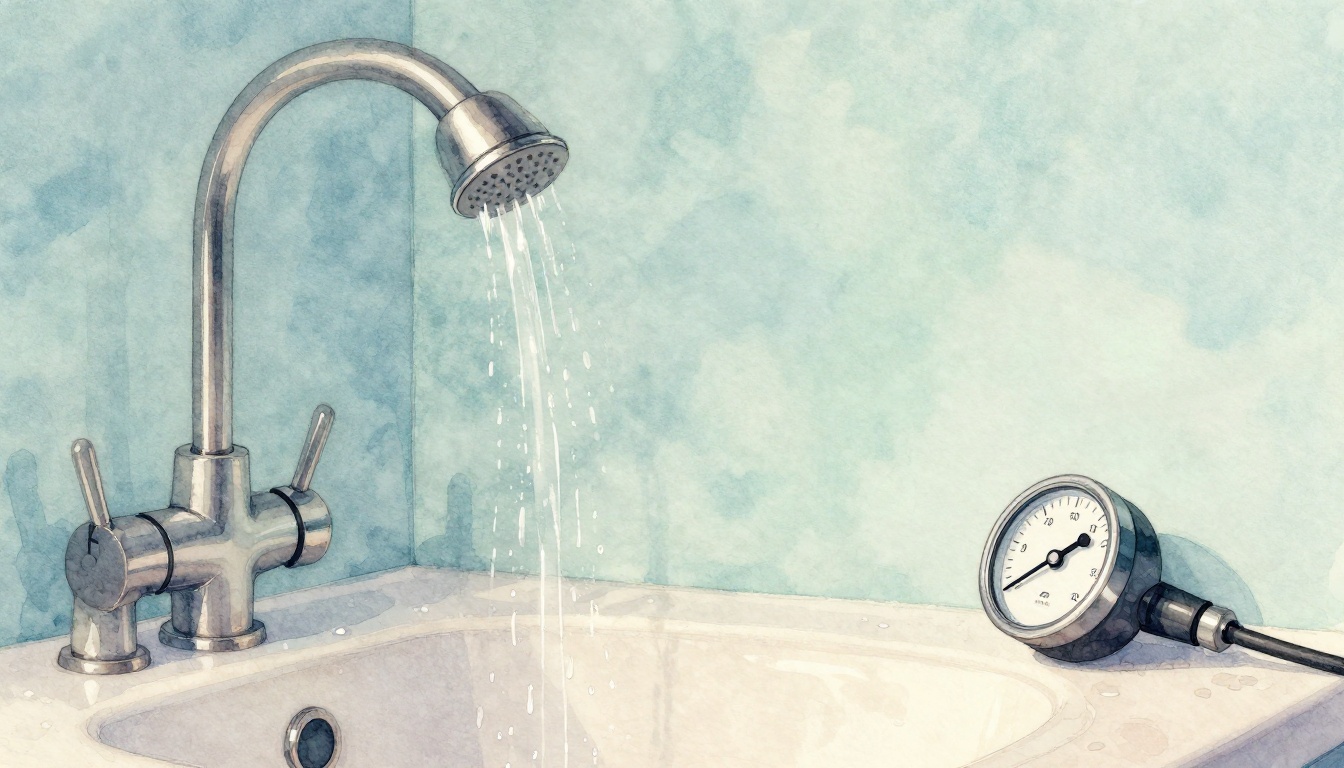
Picture this: you step into the shower after a long day, but the water trickles out like a sad garden hose. Or your kitchen sink fills so slowly that rinsing dishes takes forever. Low water pressure turns simple tasks into frustrations. It happens when flow drops below normal, often under 40 PSI, while homes work best at 40 to 60 PSI.
You might notice it in one faucet, the whole bathroom, or your entire house. Common culprits include clogs from minerals, closed valves, or hidden leaks. Don’t worry. This guide walks you through quick tests and easy fixes. Most problems solve in under an hour with basic tools. Let’s get your water flowing strong again.
Quick Tests to Confirm and Pinpoint Your Low Water Pressure
Start here before any fixes. Simple checks tell you if pressure is low house-wide or just in spots. Grab a water pressure gauge from a hardware store for about $10. It screws onto a faucet and gives a PSI reading right away.
Turn on an outdoor spigot with the gauge attached. Normal reads 40 to 60 PSI. Below 40 PSI means low pressure everywhere. Above 80 PSI risks pipe damage, so note that too. Test during off-peak hours when neighbors use less water. These steps narrow down causes fast.
Safety first: if you hear hissing or see the water meter spin with all faucets off, shut off the main valve. That signals a leak. Otherwise, proceed to targeted tests.
For detailed steps on using a gauge, check out this guide from Service Experts.
Test Pressure in Different Areas of Your Home
Run water full blast at key spots. Start with the kitchen sink. Time how long it takes to fill a one-cup measure. Normal fills in 5 to 10 seconds. Slower points to clogs or restrictions.
Next, check the bathroom faucet and shower. Compare hot and cold lines. Hot water often flows weaker because of heater sediment. Test the outdoor hose too. Weak there means a house-wide issue.
Note patterns. One faucet slow? Clean its aerator. Whole bathroom weak? Check local valves. Everywhere low? Look at the main supply or leaks. These tests take 10 minutes and guide your fixes.
Spot Hidden Leaks Fast
Leaks steal pressure without obvious drips. First, shut off all water inside. Watch your meter. If the dial spins, water escapes somewhere.
Check under sinks for wet spots. Peek around toilet bases and behind appliances. Feel walls for dampness near pipes. Tighten any loose fittings by hand first.
In basements, inspect exposed pipes. Hissing sounds mean pinhole leaks. Fix small ones with tape temporarily. Bigger issues need pros. Spotting leaks early saves water bills and prevents damage.
DIY Fixes to Restore Strong Water Flow at Home
Eighty percent of low pressure cases fix with these steps. Start simple. You’ll need white vinegar, pliers, a bucket, and a hose. Always shut off water to the fixture first. Test flow after each fix.
Household items work best. No need for harsh cleaners. Expect results in 30 minutes to overnight.
Clean Clogged Aerators and Showerheads with Vinegar
Minerals from hard water clog screens most often. Unscrew the aerator at faucet tips. It’s the small screen where water exits.
Soak it in a bag of white vinegar overnight. Bubbles dissolve buildup. Scrub gently with a toothbrush. Rinse well and reinstall.
Do the same for showerheads. Remove or soak in place with a vinegar-filled bag secured by a rubber band. Run hot water after to clear residue. Flow often doubles. Repeat every three months.
This simple trick revives most fixtures. For a full tutorial, see Family Handyman’s aerator unclogging steps.
Fully Open All Shutoff Valves
Valves close partially during repairs and forget. Find the main shutoff near your meter, often in the basement or garage. Turn the wheel counterclockwise until it stops.
Check under sinks and at the water heater. Lever valves go parallel to the pipe when open. Globe valves turn several full turns.
Overlooked valves cause half of “whole house” low pressure. Open them fully, then test faucets. Pressure jumps immediately in many homes.
Flush Sediment from Your Water Heater
Sediment builds in tanks over time, choking hot water flow. Turn off power or gas to the heater first. Attach a garden hose to the drain valve at the base.
Drain into the yard or a floor drain. Flush until water runs clear, about 20 minutes. Refill slowly with cold water. Restore power and run hot taps to bleed air.
This boosts hot pressure without tools. Do it yearly. Detailed DIY instructions appear in this Plumbing Directory guide.
Clear Minor Pipe Blockages
Rust or debris in pipes slows everything. Run cold water full blast for five minutes at the farthest faucet. This flushes lines.
For older galvanized pipes, sediment collects inside. Inspect drained water for rust. Minor fixes work here, but severe cases need replacement.
After flushing, retest pressure. Combine with aerator cleans for best results.
When to Skip DIY and Call a Plumber Instead
DIY shines for simple clogs. But some signs demand experts. Pressure low everywhere after fixes? Old pipes from before the 1980s corrode inside.
Well systems need tank checks. Frozen pipes in cold snaps burst without warning. Sudden drops or rust-tinted water signal breaks.
No improvement in one to two hours means hidden issues. Pros use cameras to spot clogs deep in lines. Diagnosis costs $100 to $300 but prevents floods.
City supply problems? Check utility records. Risks include water damage or code violations. Call if unsure.
Learn more red flags in Heritage’s low pressure overview.
Prevent Low Water Pressure from Coming Back
Keep flow strong long-term. Install a water softener if hard water minerals plague your area. It traps calcium before clogs form.
Clean aerators every six months. Flush the heater annually. Upgrade to PEX pipes if yours are 30-plus years old; they resist buildup.
Contact your utility for street pressure tests. Well owners, maintain pressure tanks yearly. These habits add years to your plumbing.
Ready to Turn Up Your Water Pressure?
Test areas, clean aerators, open valves, and flush the heater. Most homes regain strong flow with these steps. If issues persist, pros handle the rest safely.
Grab vinegar and start today. Your showers and sinks will thank you. Share your fix results in the comments below. What caused your low pressure?