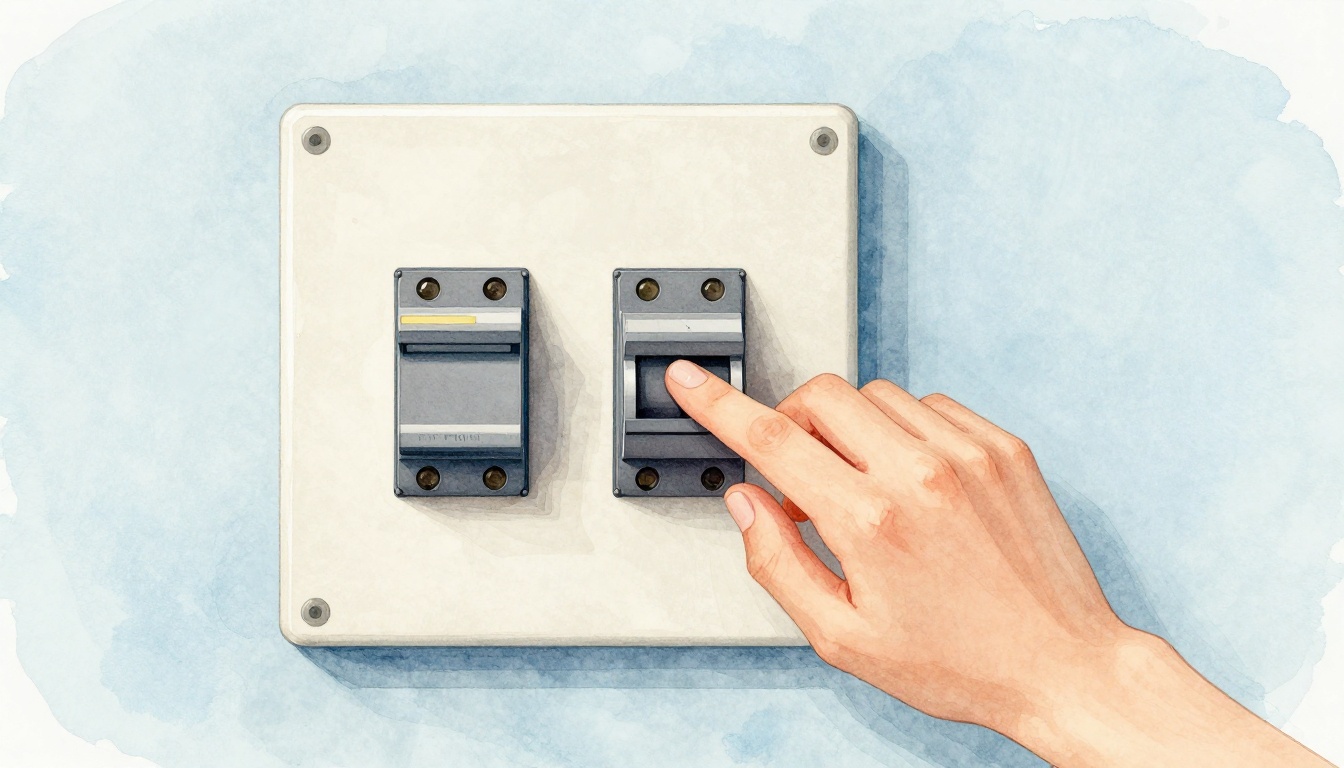
You flip the light switch after a long day. Nothing happens. Your fridge hums along fine, but half the house sits dark. A circuit breaker tripped, that smart safety switch cutting power to stop overloads, shorts, or faults before they spark fires or shocks. Each year, electrical issues cause around 51,000 home fires in the US, with overloads behind 14% and shorts 32%.
Most trips stem from simple overloads or minor faults you can fix yourself. The 2026 National Electrical Code adds fresh rules like expanded GFCI protection for outdoor outlets up to 60 amps. This guide walks you through spotting signs, prepping safely, resetting step by step, and knowing when to call a pro. Follow these tips to restore power fast and stay safe.
Spot the Telltale Signs Your Circuit Breaker Has Tripped
Lights flicker out in one room. Or your microwave stops mid-heat. These clues point to a tripped breaker. It acts like a tire blowing out on a car, halting things to avoid disaster.
You hear a click or buzz from the panel first. Then power drops to outlets or lights on that circuit. Check the breaker handle. It sits in the middle, not fully up or down. That’s the classic tripped position.
Overloads happen when too many devices pull power, like plugging in space heaters and vacuums together. Shorts occur if wires touch, often from frayed cords. Ground faults leak current to ground, usually near water. Ground faults tie into many wiring fires.
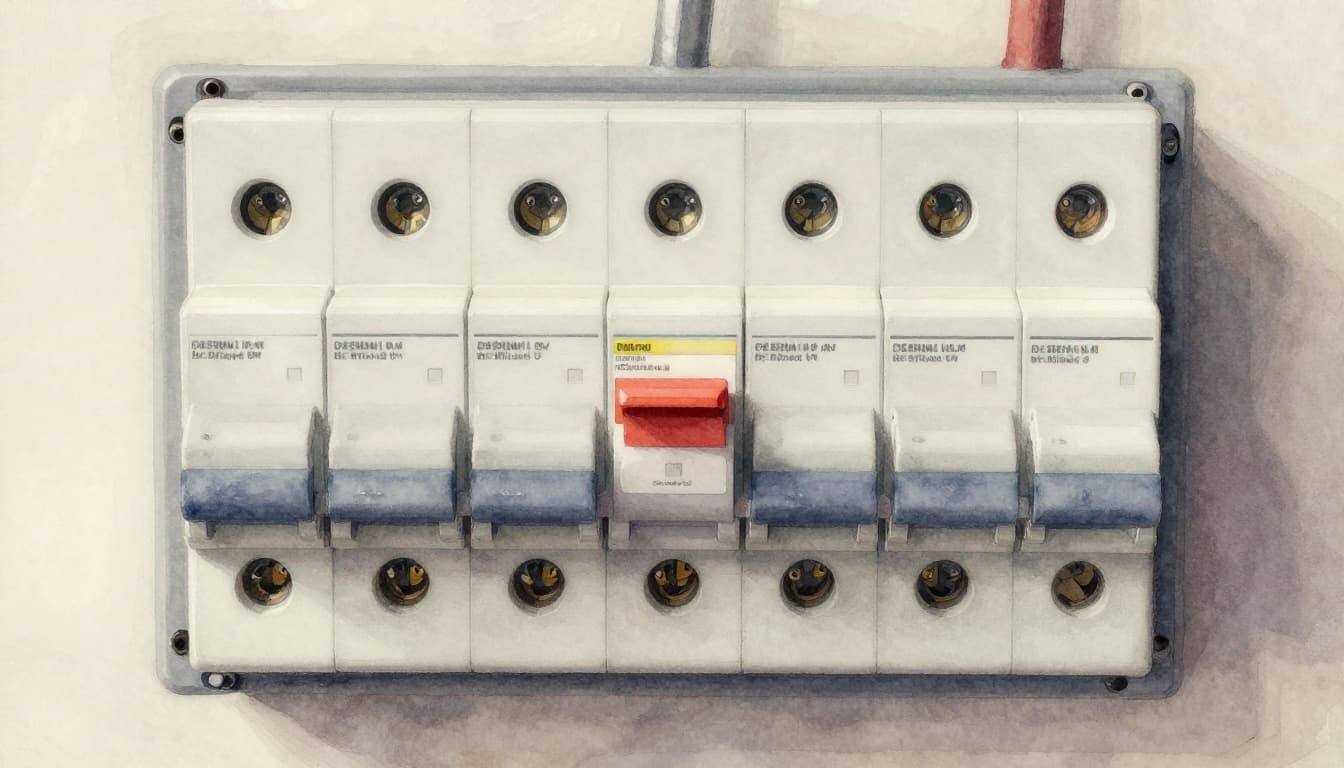
Spot these signs quick because they signal fire risks. US stats show electrical malfunctions cause nearly 500 deaths yearly. Act calm. Head to your panel in the basement or garage. A tripped breaker saves lives by cutting power before wires overheat.
Overload vs Short Circuit: Quick Ways to Tell the Difference
Overloads build slowly. You add devices until the breaker gives. Think holiday lights plus a hair dryer on one outlet. Power dims first, then cuts.
Shorts hit fast. Sparks fly as hot and neutral wires meet. A damaged cord under a rug might do it. You smell burning plastic right away.
Ground faults differ. Current leaks through water or bad insulation. Outlets near sinks trip often. Unplug items to test. If power returns without reset, overload likely caused it.
For more on overload signs, check warning signs of an overloaded electrical panel. Know the difference so you fix the right issue.
Prepare with These Key Safety Precautions Every Homeowner Needs
Power stays dangerous even if tripped. Start by turning off lights and unplugging devices on that circuit. This cuts risk before you touch the panel.
Wear rubber-soled shoes and dry gloves. Stand on a dry floor. Never go barefoot or with wet hands. Electricity loves water.
Grab a flashlight. Panels often hide in dim spots. Sniff for burning smells or watch for smoke. Sizzling sounds mean trouble. Stop and call a pro then.
The 2026 NEC requires clear panel labels now. Find yours easily. Test GFCI outlets monthly, especially outdoors. New rules cover up to 60-amp spots for heat pumps.
Locate your panel first. Basements, garages, or utility rooms hold most. Keep paths clear. These habits keep shocks away.
Must-Have Gear and Habits to Stay Protected
Dry gloves insulate your hands. Rubber soles ground you safely. A flashlight lights dark corners without flipping switches.
Skip metal jewelry. It conducts power. Always unplug high-draw items like irons first.
Smell test matters most. Burning wire scents warn of hidden fires. The NEC pushes monthly GFCI tests for bathrooms and garages now.
Gear up like this, and you stay shock-free. Simple steps prevent most accidents.
Reset Your Breaker the Right Way: A Simple 5-Step Guide
Ready? Follow these steps from pros. They match 2026 best practices for safe resets. Do them in order.
- Open the panel door slow. Shine your light inside. Spot the middle-position handle.
- Unplug all devices on that circuit. Clear the load first. This stops instant re-trips.
- Flip the handle firm to OFF. Push down fully. It might resist. Use steady pressure.
- Snap it back to ON. Push up hard. You hear a click. That’s normal.
- Test one appliance at a time. Plug in, run it, watch. Close the door. Monitor for an hour.
Breakers feel stiff on purpose. Firm flips reset them right. For detailed visuals, see this proper guide to resetting tripped breakers.
Power flows again quick. You saved a service call. Most homes handle this daily.
What to Do If It Trips Again or Feels Wrong
One reset works fine. But repeats mean deeper issues. Unplug high-draw items like EV chargers or heaters first.
Check cords for frays. Inspect outlets for scorch marks. Don’t reset over and over. It hides fire risks.
The 2026 NEC boosts AFCI at outlets now, not just panels. Surge protection becomes standard in new builds too. Old panels lack these.
Warm panels or buzzing signal trouble. Call a licensed electrician then. They spot bad wiring.
Upgrade if needed. New codes push GFCI for HVAC and outdoors. Stay code-compliant and safe.
Red Flags That Scream ‘Call an Electrician Now’
Breaker trips instantly on reset. Burning smells linger. Scorch marks appear on outlets.
Pre-2008 panels often miss AFCI or GFCI. Knob-and-tube wiring sparks easy. Smoke or warm breakers demand pros.
For NEC changes like arc-flash labels, read top 25 updates to the 2026 code. Electricians handle upgrades smooth.
Pros prevent the 1.3 billion in yearly fire damage. Better safe than sorry.
Safety leads every reset. Firm flips restore power, but stop at red flags. Label your panel clear. Teach family the steps. Test GFCIs monthly per 2026 NEC rules.
You handle simple trips now. Share your reset story below. Ever faced a stubborn breaker? Call a pro for doubts. Simple fixes keep your home lit and safe.