You step into the kitchen and spot a mysterious puddle under the sink. Or maybe your water bill just doubled with no extra showers or laundry. These clues point to a hidden water leak, and they pack a punch. In the US, such leaks cause about $13 billion in property losses each year. Homes suffer the most from this silent damage.
Leaks hide behind walls, under floors, or in pipes because daily life distracts us. They start small but lead to mold, rot, and huge repair bills averaging over $12,500 per claim. You can catch them early, though. This guide walks you through warning signs, simple tests, tools, common spots, and when to call help. Follow these steps, and you’ll dodge costly headaches.
Spot These Common Warning Signs Before Damage Spreads
Hidden leaks give off subtle hints before they wreck your home. Homeowners often miss them because they mimic normal wear. Watch for these clues, and act fast. Mold risks health issues like allergies, while structural damage hits your wallet hard.
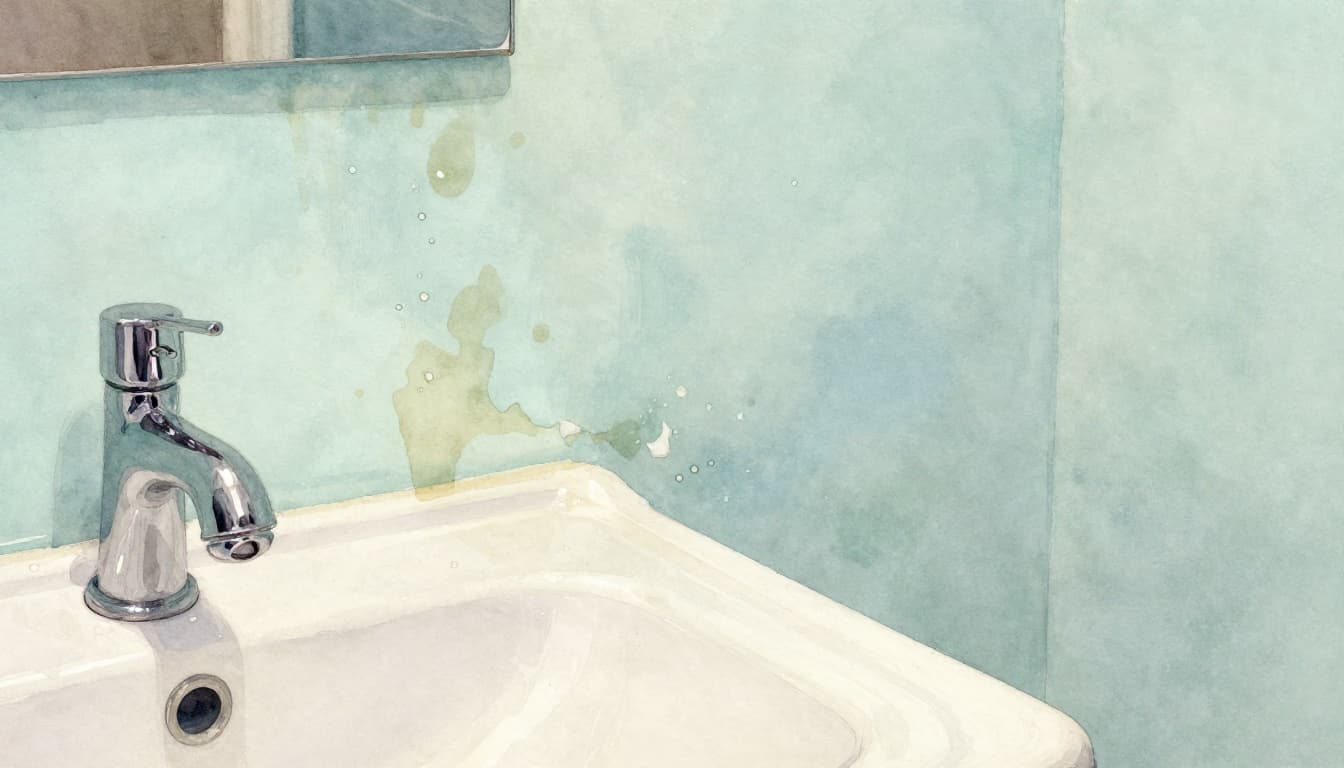
Pay attention to visual changes first. Damp spots appear near fixtures. Water seeps out slowly from joints or cracks. Stains form on ceilings from upper leaks. Warped paint bubbles as moisture builds inside walls.
These signs build over time. For example, a small pipe drip soaks drywall unnoticed. Then discoloration spreads. Check monthly in humid areas. Early spotting prevents thousands in fixes.
For more on these warning signs of hidden leaks, see this homeowner guide.
Sudden Jump in Your Monthly Water Bill
A steady bill rise without extra use screams leak. Tiny drips add gallons fast. One small crack wastes 250 gallons a day.
Compare bills over three months. Note the average. If it spikes 10 percent or more, suspect trouble. Usage stays flat, but costs climb. Then shut off all water and check your meter later. Movement confirms waste.
Bills reflect flow rates. A pinhole leak runs at one gallon per minute. That totals thousands monthly. Track patterns now. You’ll spot issues before damage spreads.
Damp Spots, Stains, or Bubbling Walls
Look for wet patches under sinks or on floors. Ceilings show yellow-brown stains from roof-line leaks. Walls discolor or bubble near showers.
Mineral deposits build around edges. Paint peels in sheets. Floors feel soft under carpet. These happen because water migrates slowly.
Wipe spots dry and monitor. They return fast from active leaks. Check behind furniture too. Hidden moisture loves dark corners.
Musty Smells or Mold Growth
Dampness breeds mold behind walls or in cabinets. You smell it first, like wet basement. Black spots form on grout or vents.
Health hits allergies or breathing. Kids and pets suffer most. Open cabinets under sinks. Probe corners with a flashlight.
Ventilate areas daily. Fans help dry spots. Still, persistent odor means deeper trouble. Clean surfaces, but test for source.
Easy DIY Tests to Confirm a Hidden Leak
You don’t need pros for first checks. Simple tests confirm leaks without cost. Safety comes first, so turn off breakers near water if poking around.
Start with no-tools methods. Inspect daily spots. Then use your meter. These steps catch 90 percent of issues early.
Renters focus on fixtures. Owners check attics too. Nighttime quiets running sounds. Listen close.
Learn the water meter test steps from this quick pro guide.
Master the Water Meter Test in Minutes
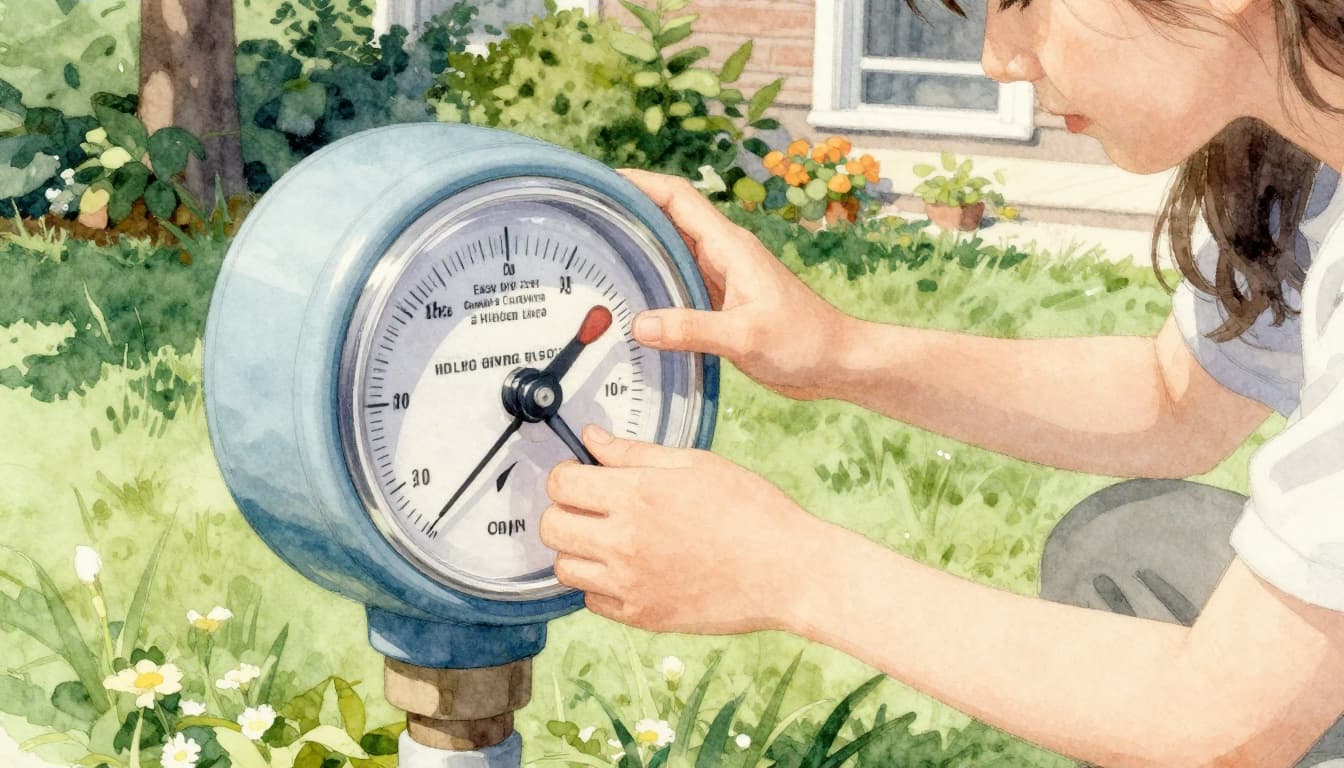
Locate your meter outside or in the basement. Record the black digits. Shut off all water inside, no toilets or faucets.
Wait two hours. No showers or laundry. Recheck the meter. Digits moved? Leak confirmed.
Low flows need overnight tests. Note position first. Many meters have a red sweep hand too. It spins alone for drips. This test spots silent waste.
Hunt for Leaks in Your Home’s Hot Spots
Peek under sinks for drips or rust. Feel pipes for moisture. Wipe dry and revisit tomorrow.
Toilets get dye tests. Add food color to tanks. Wait 15 minutes without flush. Color in bowl means faulty flapper.
Check washers and heaters. Tug hoses for cracks. Baseboards show dark lines from wicking water. These spots leak most because fittings age.
Handy Tools and Tech to Pinpoint the Problem
Gadgets make detection easy and accurate. Pick affordable ones from 2026 reviews. They spot moisture without tearing walls.
Moisture meters cost under $30. Thermal cams rent cheap. Smart detectors alert via apps.
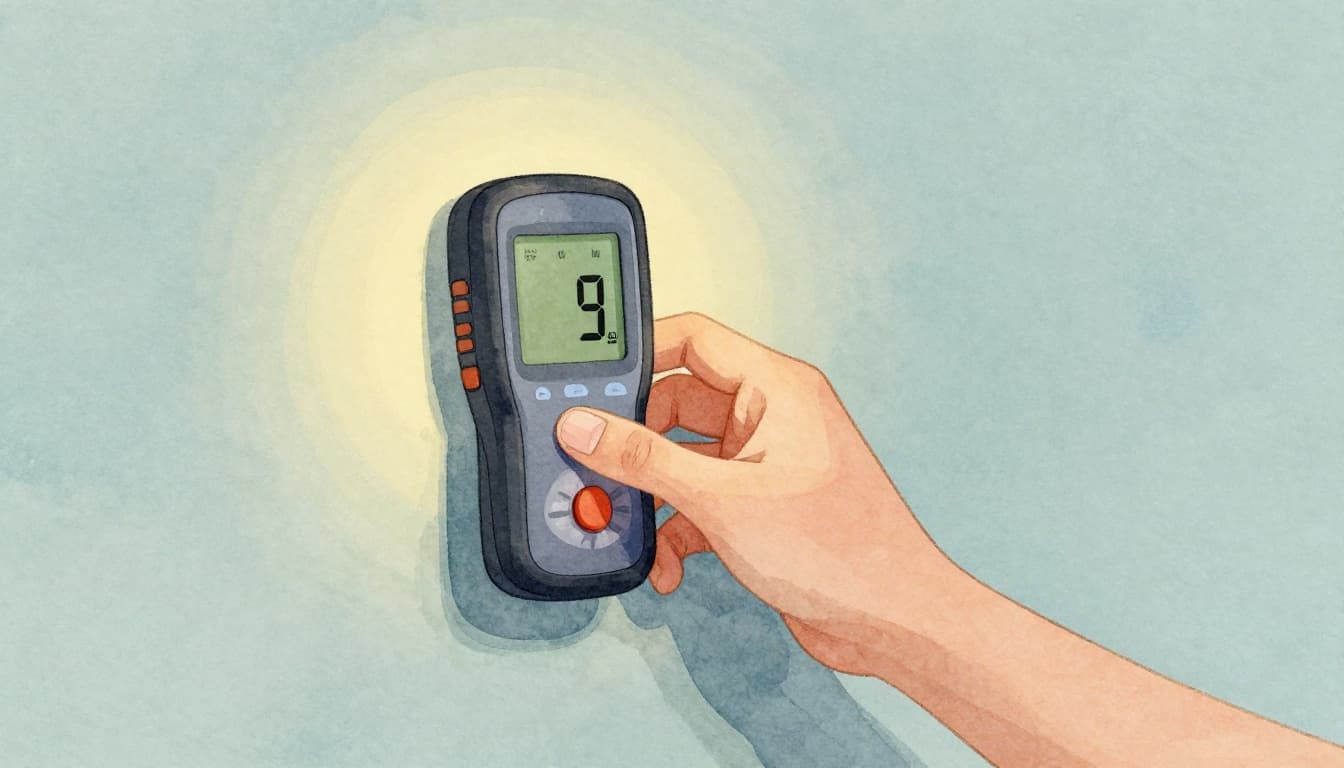
Whole-home units like Flo by Moen shut off water automatically. Buy at big box stores. Pros include 24/7 watch. Cons mean upfront spend of $50 to $500.
See top smart leak detectors tested for 2026.
Moisture Meters and Thermal Cameras for Quick Scans
Glide pinless meters over walls. Beeps or readouts spike on damp. No damage to paint.
Thermal cams show cool wet zones as dark patches. Rent for $50 a day. Scan slabs or ceilings fast.
App models save photos. They excel behind tiles. Pair with fans post-scan.
Smart Detectors That Alert You Instantly
Flo by Moen senses one drop per minute. App pushes notices. No hub needed.
Govee offers budget picks at $36. Loud sirens wake you. Place under sinks or near heaters.
YoLink kits cover big homes. Battery lasts years. WiFi links them all. Setup takes minutes.
Sneaky Places Where Leaks Hide Most Often
Leaks love concealed areas. Data shows under sinks and toilets top the list. Then walls and slabs.
Insulation hides drips. Flooring blocks views. Check data-backed spots below.
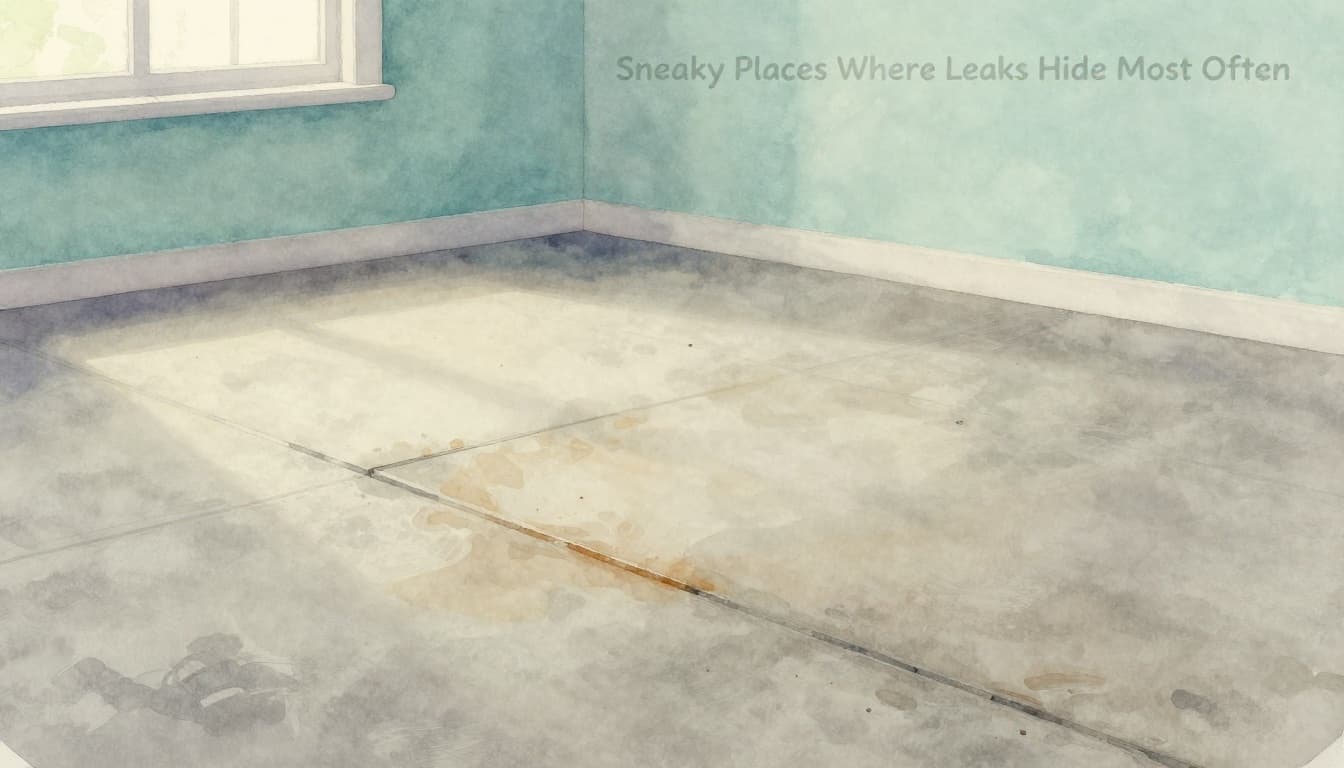
Slabs affect 70 percent of newer homes. Bathrooms hide behind tile.
Details on slab leak symptoms help spot them early.
Slab Leaks Under Your Floors
Warm spots form on slabs from hot lines. Floors buckle or crack. Bills soar with no visible cause.
Yards get soggy nearby. Foundations shift pipes. Pros use pressure tests. Don’t dig yourself.
Walls, Bathrooms, and Appliance Zones
Showers leak behind surrounds. Tubs overflow wax seals. Check cabinets for wet towels.
Washers burst hoses yearly. Heaters hiss at valves. Fridges drip lines. Probe panels gently.
When DIY Isn’t Enough: Call a Pro Plumber
Big bill hikes mean call now. Visible rot or failed tests follow. Slab doubts demand experts.
Plumbers bring infrared cams and pipe scopes. Acoustic tools hear drips. Pressure drops pinpoint spots.
Detection runs $150 to $500. Fixes add more, but save $10,000 plus. Get three quotes. Ask for leak specialists.
They offer warranties. You avoid guesswork. Urgency matters most.
Spot signs like damp walls or high bills right away. Run the meter test today. Grab tools or detectors for backup. Check hot spots often.
Install a smart unit like Flo for alerts. Regular checks keep costs low. Your home stays dry. Act now, and sleep easy.