You turn the kitchen faucet. Clean water rushes out instantly. Most folks take this for granted until something clogs or leaks. Your home plumbing splits into two main parts. The water supply system pushes fresh water inside under pressure. The drain-waste-vent system lets dirty water flow out by gravity.
These systems work together quietly every day. City pipes or a well supply the water. It branches through your walls to sinks, showers, and toilets. Then it drains away safely. Problems happen when parts wear out or get blocked. You’ll learn how it all connects here.
This guide breaks it down simply. We cover pipes, valves, fixtures, and drains. Plus, watch for issues and easy fixes. In 2026, smart devices like leak detectors send phone alerts for quick action. You’ll spot troubles early and handle basic upkeep. Let’s start with how fresh water gets to your tap.
How Fresh Water Travels from the Street to Your Faucet
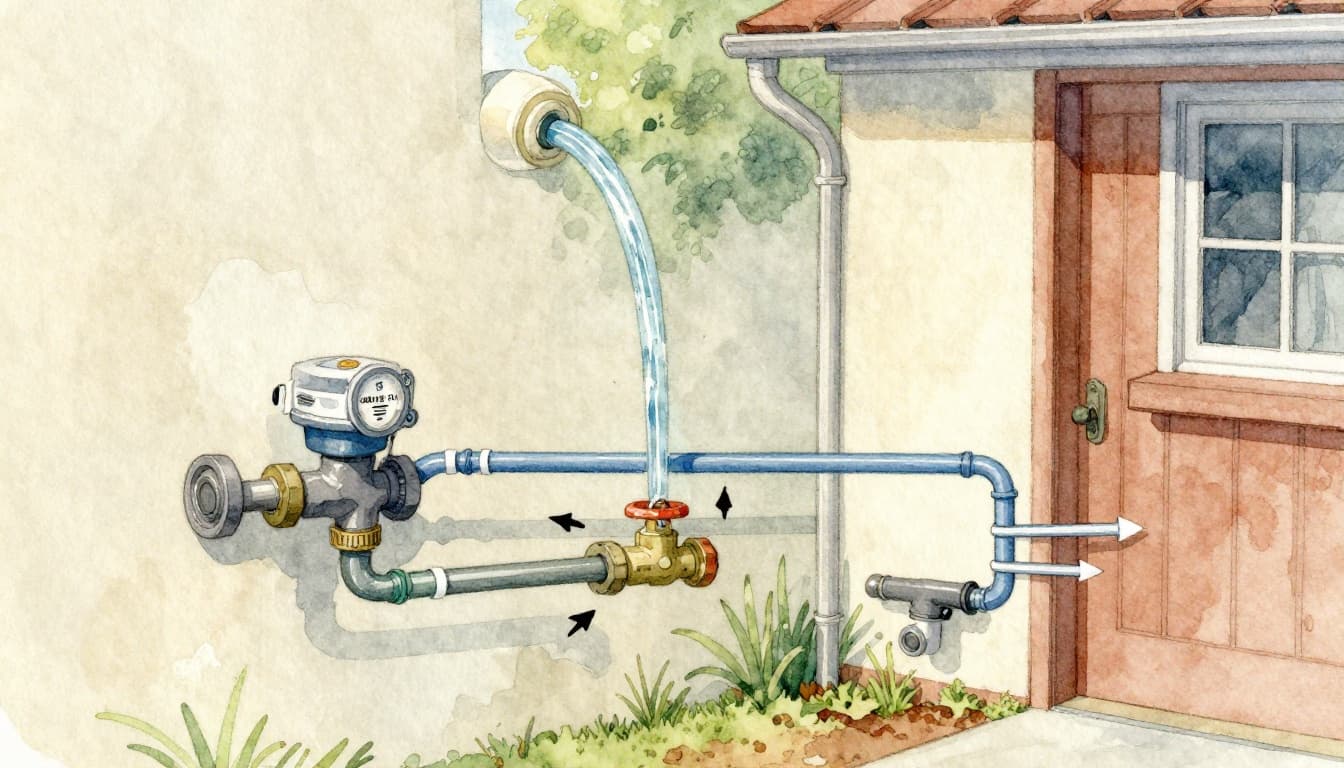
Fresh water enters your home from the street main. Cities pump it through large underground pipes. Or you draw from a private well with an electric pump. The supply line connects at your property line. It runs underground to the house foundation.
A water meter tracks your usage there. Utility companies read it for billing. Next comes the main shutoff valve. Turn it off in emergencies to stop all flow. For example, Repipe Services explains this entry point well.
Pipes branch from there. Copper works best for hot lines because it lasts 50 years or more. It resists heat well. PEX offers flexibility and fights corrosion. Plumbers favor it for quick installs. In 2026, PEX stays popular in US homes for its freeze resistance. PVC suits cold lines or drains only.
Pressure drives the water. City supplies hit 40 to 80 PSI. That’s like a garden hose on full blast. Homes need 40 to 60 PSI for good showers and fills. Too high? It stresses fixtures. A regulator drops it safely. Bigger pipes keep flow strong when multiple taps run.
Think of it as roads for water. Wide mains feed smaller branches to rooms. Water pushes uphill against gravity thanks to that pressure.
Key Valves and Controls That Keep Water Flowing Right
Shutoff valves sit at each fixture. Twist one under the sink. It stops water for repairs. No need to shut the whole house.
Pressure regulators guard against city spikes. They hold steady at 50 PSI. Open a faucet elsewhere. Pressure drops a bit because supply splits.
Flow depends on pipe size too. Half-inch pipes deliver 5 gallons per minute. Three-quarter inch handles 10. Clean aerators monthly for best results.
Cold Water Straight to Use, Hot Water Takes a Detour
Cold lines run direct from the main. They feed toilets, outdoor spigots, and sinks fast.
Hot lines detour to the water heater first. Tank models store 40 to 80 gallons. They heat to 120 degrees F. Tankless units warm water on demand. They save energy by avoiding standby loss. Hot pipes then loop back out to faucets.
Your Everyday Fixtures: Where Water Meets Real Life
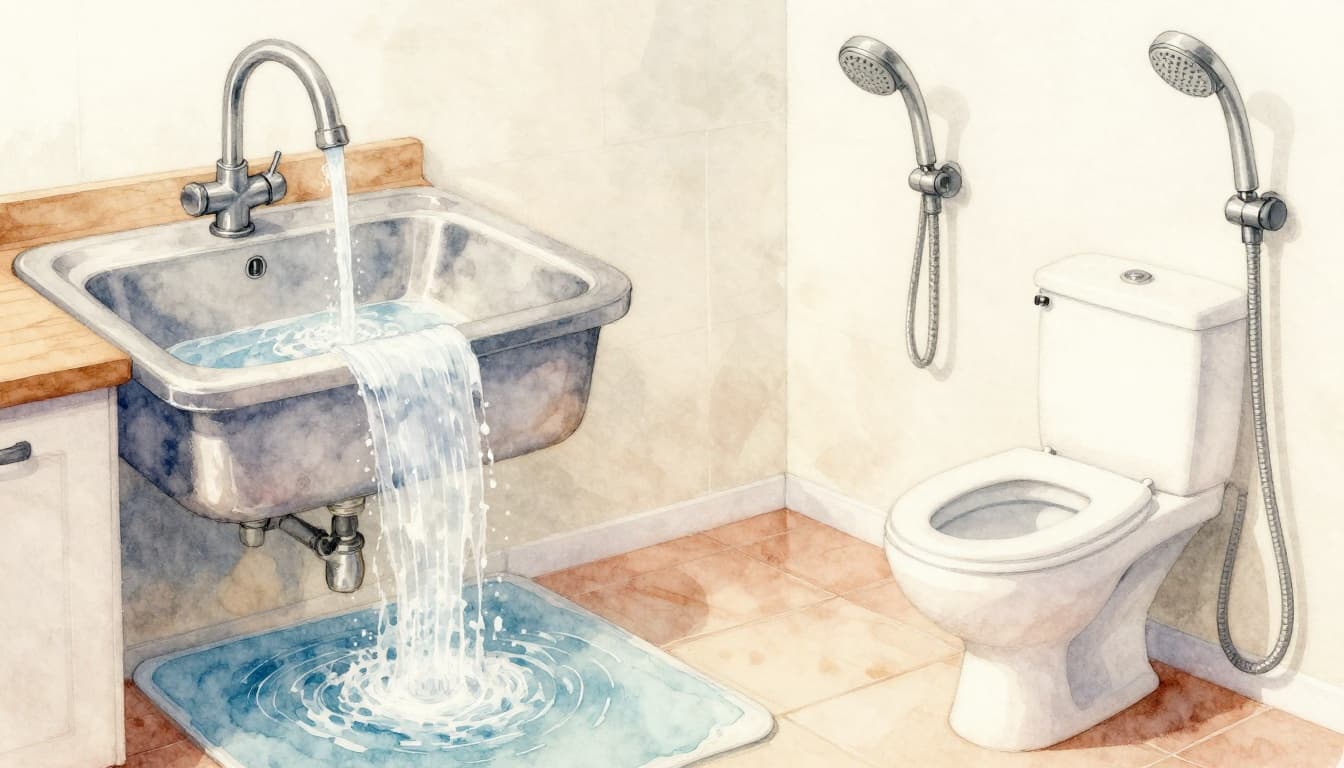
Fixtures turn pipes into daily tools. Kitchen sinks mix hot and cold at the faucet. A single handle blends them smooth. Water sprays out under pressure. It splashes, you wash dishes, then it swirls down the drain.
Toilets fill quietly from the cold line. A tank valve lets gravity flush 1.6 gallons. It refills fast. Showers pull from both lines too. You set the mix for comfort.
Dishwashers hook to hot and cold. They cycle water in and out. Washing machines do the same. Hoses connect under the unit. Valves there control fill amounts.
All drain after use. Supply pressure pushes water to them. Gravity pulls it away after. Picture a busy morning. Sink runs, shower steams, toilet flushes. Pipes handle it without a hitch.
The Hidden Heroes of Drainage: Traps, Vents, and Sewer Lines
Drains work opposite supply. No pumps here. Gravity rules. Dirty water falls downhill through bigger pipes.
ABS black plastic or white PVC carry waste. Cast iron shows up in older homes for quiet flow. Pipes slope one-quarter inch per foot. That keeps solids moving.
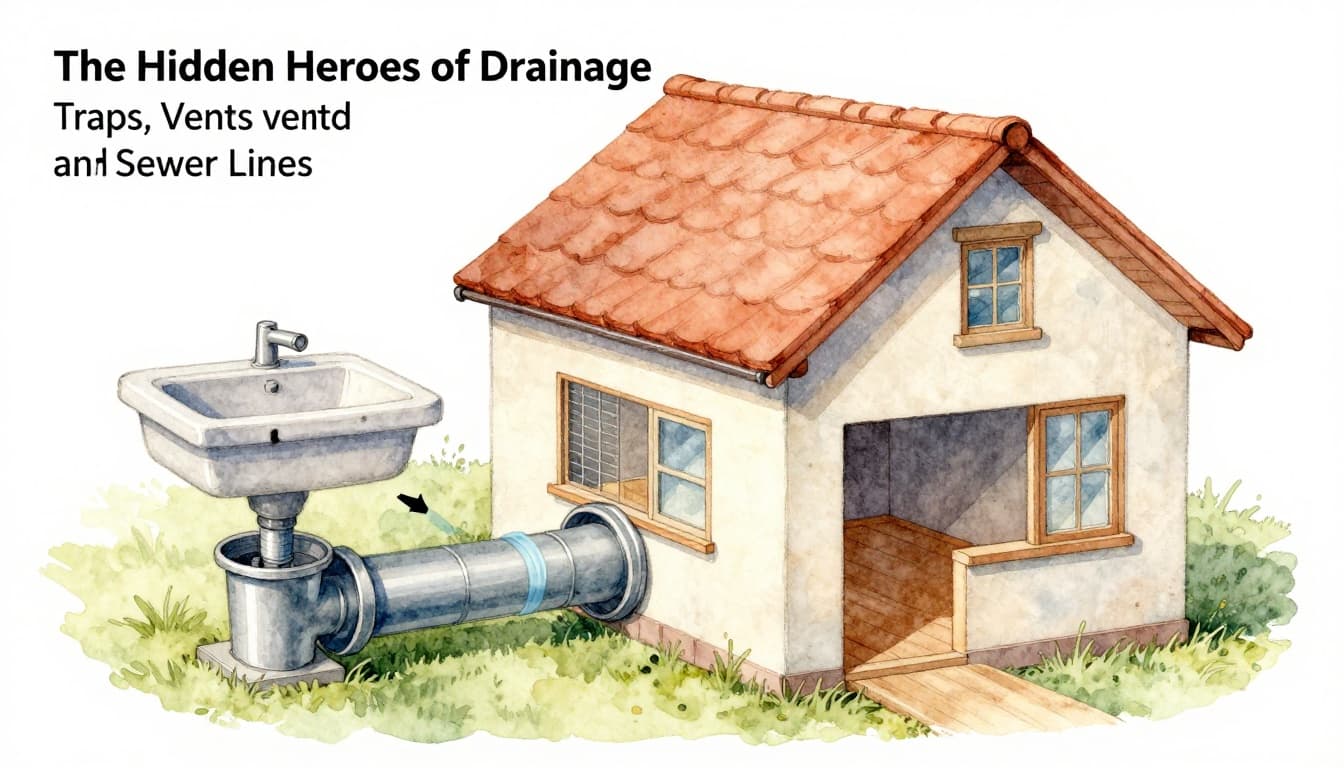
P-traps curve under sinks. They hold water like a seal. Sewer gases stay out. S-traps phased out because they siphon dry.
Vents rise to the roof. They let air in. Drains flow smooth without gulps. For more on this setup, check Oatey’s homeowner guide.
The main stack joins all drains. It exits to city sewer or septic. Septic tanks hold solids. Bacteria break them down. Trucks pump every three to five years. Liquids filter into a drain field.
Why Vents and Traps Team Up to Keep Your Home Smelling Fresh
Vents equalize air pressure. Water drains quick. Traps won’t empty.
No vents mean slow flow. Glug-glug sounds fill the air. Gases slip past dry traps. Smells rise up.
Modern air admittance valves fit tight spots. They open for air but close against odors. Code approves them now.
Common Plumbing Headaches and How to Keep Yours Running Smooth
Clogs top the list. Hair, grease, and soap build up. Plunge first. Enzyme cleaners eat organics safe. Skip harsh chemicals. They damage pipes.
Leaks drip from worn washers. Tighten or replace them. Low pressure signals clogs or leaks. Clean aerators. Check shutoffs.
Here’s a quick look at fixes:
| Problem | Cause | Quick Fix |
|---|---|---|
| Clogged drain | Hair or grease buildup | Plunge; use enzyme cleaner |
| Dripping faucet | Worn washer | Replace washer or cartridge |
| Low pressure | Mineral buildup | Clean aerator screen |
| Sewer smell | Dry trap or blockage | Run water; check vent |
Maintenance keeps it simple. Insulate cold pipes against sweat. Flush the water heater yearly. It removes sediment. Test for leaks with dye in tanks. Know your main shutoff spot.
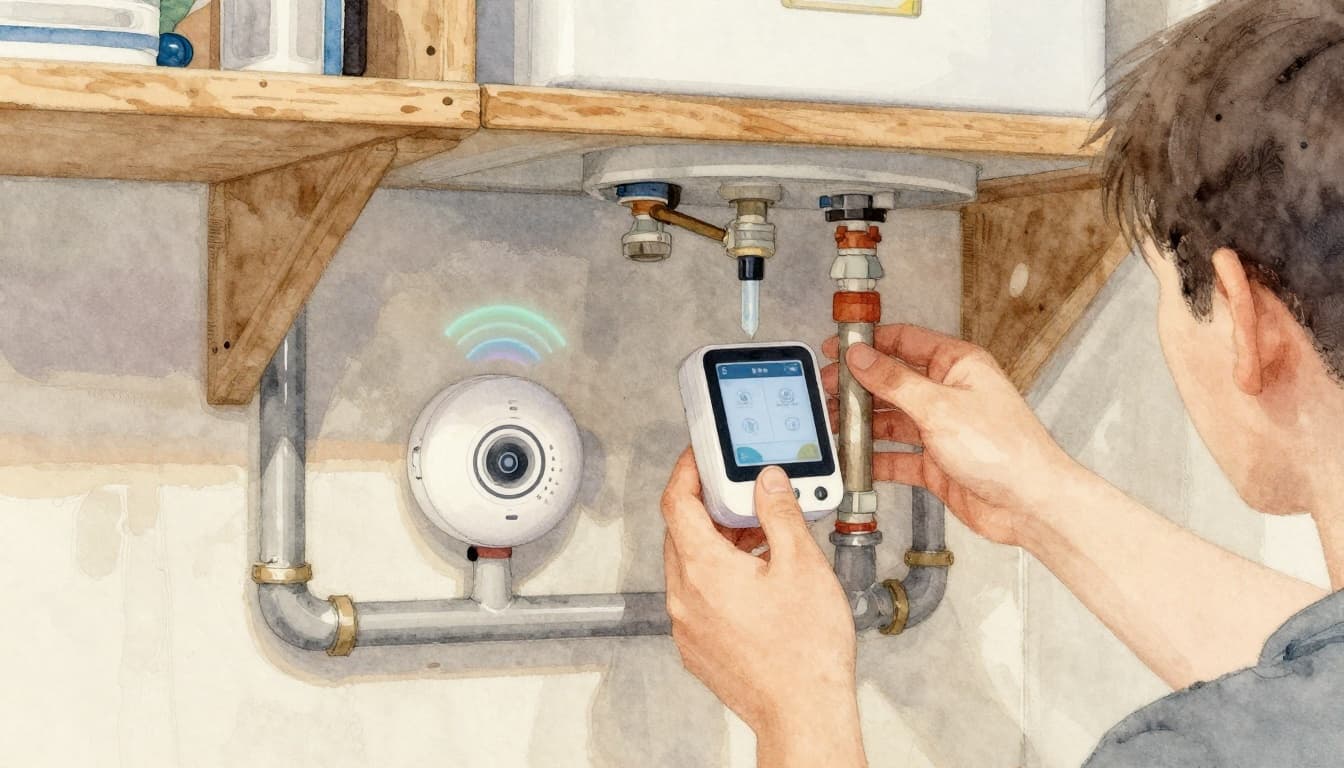
In 2026, smart trends shine. Leak detectors ping your phone. Auto valves shut off fast. WiFi monitors watch heaters and pressure. Smart plumbing rises big this year. PEX-AL-PEX pipes resist bursts better.
Pressure and Flow Tricks: What Makes Water Rush or Trickle
Pipe size matters most. Narrow ones restrict flow. Like sipping through a straw.
Clogs or kinks drop pressure too. Multiple uses split supply. Bigger mains help.
Boost with a regulator check. Or clean lines. Wells need pump tweaks for steady 50 PSI.
Your supply pushes water in. Drains let it flow out easy. Traps and vents block smells and glitches.
Spot issues early. Check shutoffs now. Add smart alerts for peace. Call pros for big jobs like repiping. Share your fixes in comments. Subscribe for more home tips.
(Word count: 1487)