Picture this: a family in North Carolina lost everything to a house fire last month because their smoke alarms sat silent. No beeps, no warnings. Early 2026 data shows 27 fire deaths there alone by February, many tied to faulty detectors. Nationally, two-thirds of home fire deaths happen in homes without working alarms.
Small neglect adds up fast. Leaky faucets waste thousands in water bills each year. Dirty filters hike energy costs. You can prevent most headaches with quick monthly checks. These tasks take under an hour total and group by home area. They save money, boost safety, and keep stress low.
Start with safety, then hit leaks, air quality, moisture spots, and a full walkthrough.
Protect Your Family’s Safety First
Life-saving checks top the list each month. Faulty wiring or silent alarms spark shocks, fires, or worse. Working smoke alarms cut death risk by 60%. Do these in minutes to stay ahead.
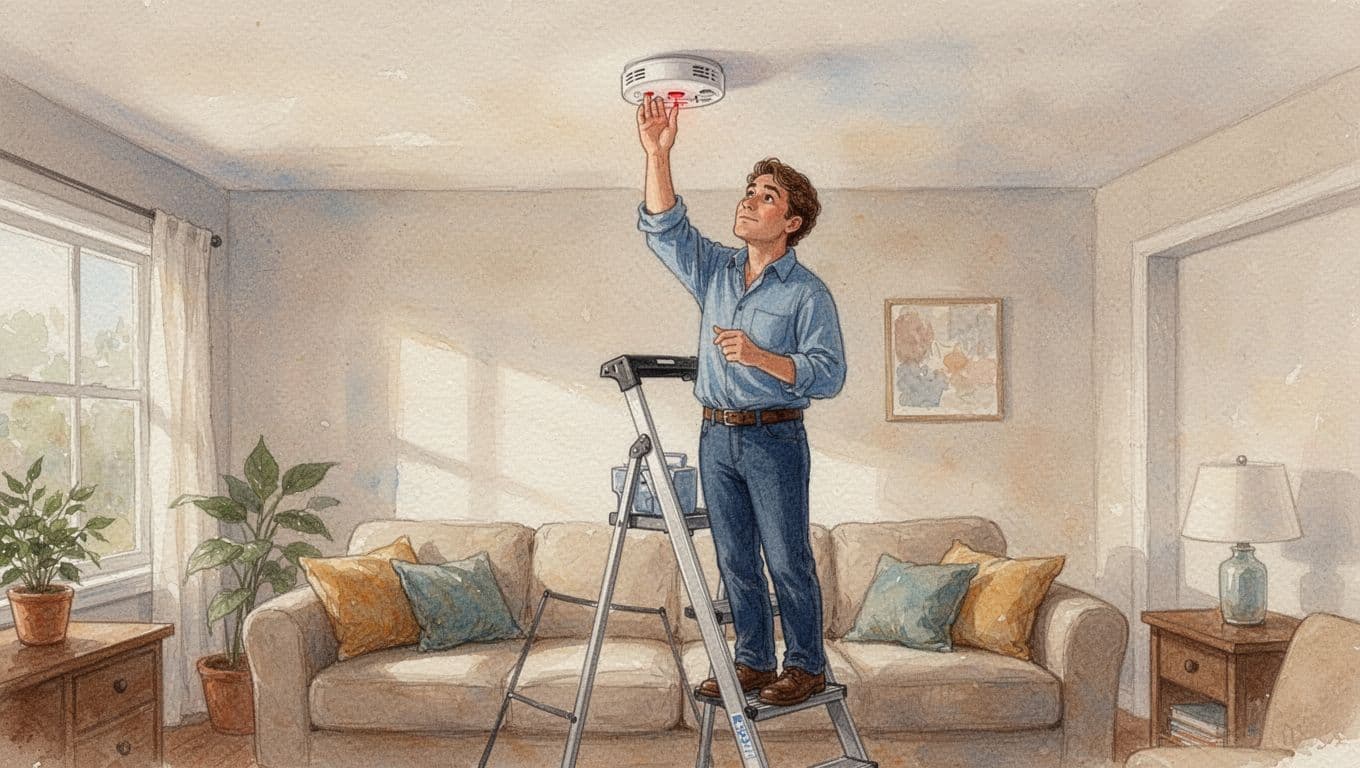
Test Smoke and Carbon Monoxide Detectors
Press the test button on each unit. Hold it until it beeps loud and clear. No sound means dead batteries; swap them right away. Sensors fail over time too, so monthly tests catch issues early.
Busy families benefit most. Kids and pets sleep through nights, but alarms wake everyone. Replace full units after 10 years. For top picks, check Bob Vila’s smoke detector reviews.
Test GFCI Outlets in Wet Areas
Head to kitchens, bathrooms, garages, and outdoors. Find outlets with test and reset buttons. Press test; power should click off. No trip means trouble. Hit reset to restore.
These block shocks near water. Faulty ones fail 2026 safety codes. Call an electrician if they won’t reset. Test all monthly because moisture wears them down fast.
Stop Leaks Before They Ruin Your Home
Drips seem harmless at first. Yet they breed mold, rot wood, and spike bills. Early spots under sinks or in toilets stop big damage. Check these areas monthly for peace of mind.
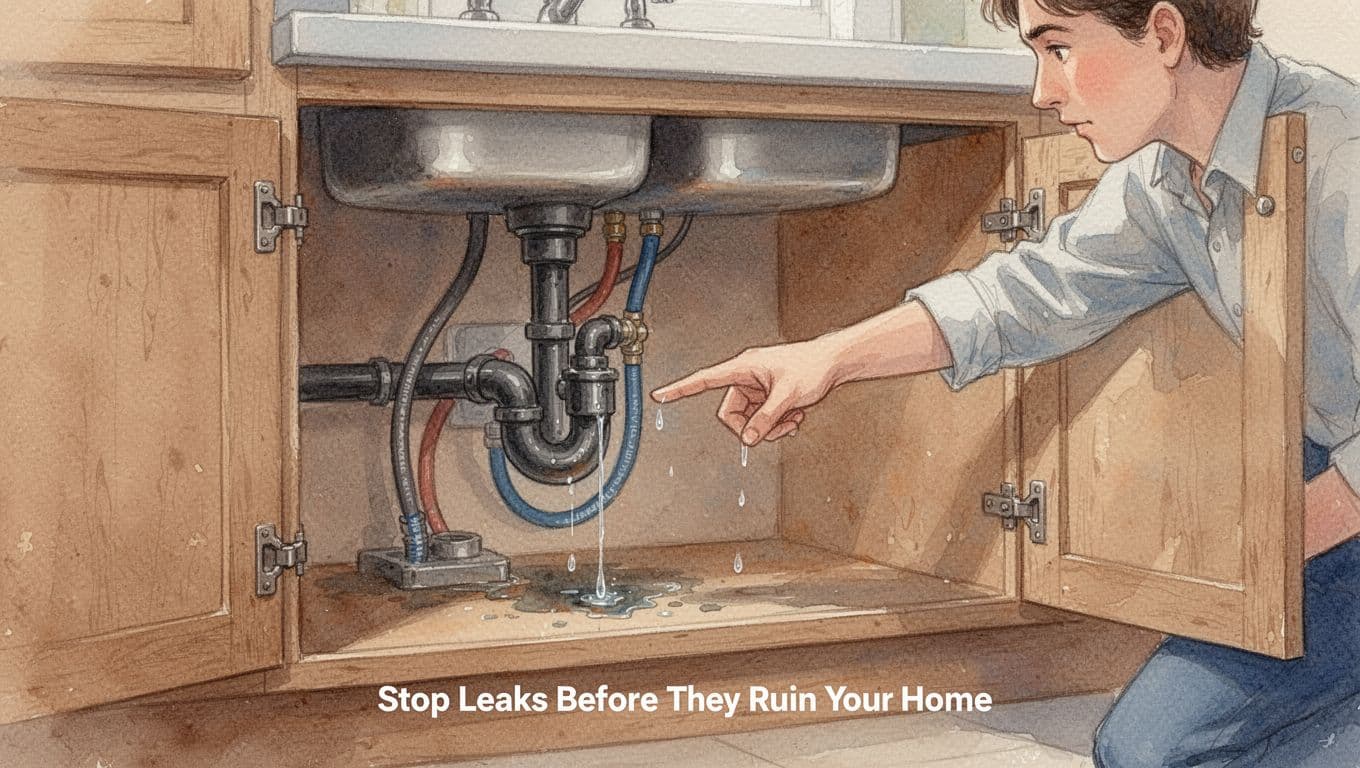
Peek Under Sinks and Around Fridges
Open cabinets below sinks. Look for wet spots, puddles, or dark stains. Check hoses for cracks; tighten fittings or replace worn ones. Pull the fridge out too. Inspect water lines behind it.
Moisture grows mold in hidden spots. Wipe dry and fix fast. The EPA’s leak detection checklist offers more steps. Act now to dodge rot.
Check Toilets and Run Water in Spare Rooms
Drop food coloring in the tank. Wait 15 minutes, then check the bowl. Color there signals a bad flapper; replace it cheap. Flush guest baths and run taps weekly, but inspect monthly.
Stagnant pipes harbor bacteria. Surprise leaks hit bills hard. These habits prevent both. Home Depot notes silent leaks waste big; their guide helps spot them.
Keep Air Fresh and Systems Efficient
Clogged filters strain HVAC units. They raise bills and trap dust. Clean vents cut fire risks too. Monthly care keeps air clean and systems humming.
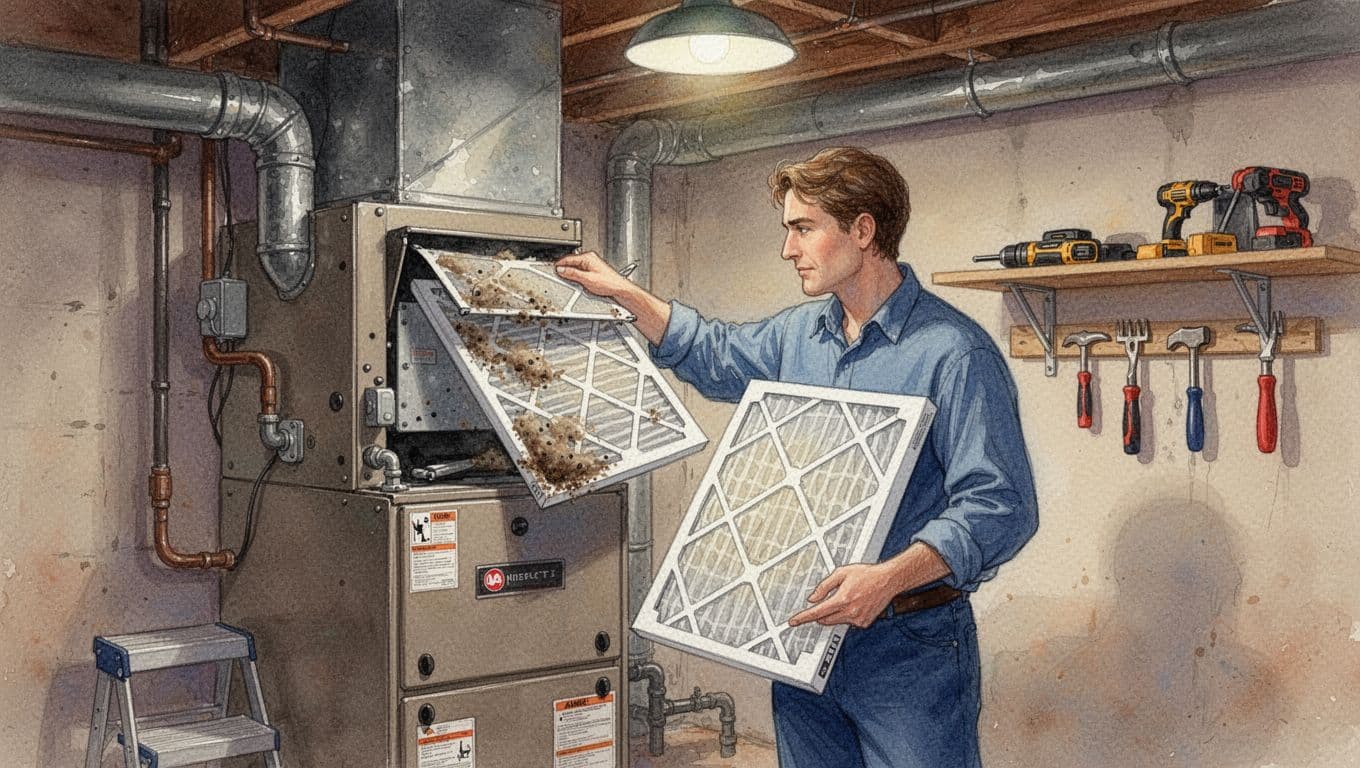
Inspect and Swap HVAC Filters
Find the filter in your furnace or AC return. Pull it out. Gray or clogged means replace now. Pets or allergies call for monthly swaps. Clean ones save 15% on energy.
Health improves with fresh flow. Dust stays out of lungs. Check manuals for sizes. Do this first on the first of each month.
Clean Range Hood and Kitchen Vents
Pull grease filters from the hood. Soak in hot soapy water, then scrub. Rinse dry. Frequent cooks need this to dodge grease fires. Vents pull smoke better clean.
Poor airflow spreads odors. Broan-NuTone explains filter timing. It boosts kitchen comfort fast.
Tackle Moisture in Kitchens and Bathrooms
Humidity breeds mold. It harms health and walls. Quick scrubs in wet zones block problems. Focus here monthly for dry, safe spaces.
Scrub Bathrooms to Fight Mold
Spray tiles, grout, and caulk with cleaner. Scrub tough spots. Run the fan during showers; test it works. Re-caulk gaps around tub or sink.
Steam lingers without vents. Mold triggers allergies. LivPristClean shares prevention tips. Dry surfaces stop growth cold.
Wipe Kitchen Appliances and Cabinets
Check under the dishwasher for spills. Wipe fridge coils yearly, but spot-check monthly. Swap water filters per manual. Cabinets hide drips too.
Clean coils run cooler. Filters taste better. These steps cut waste and bugs.
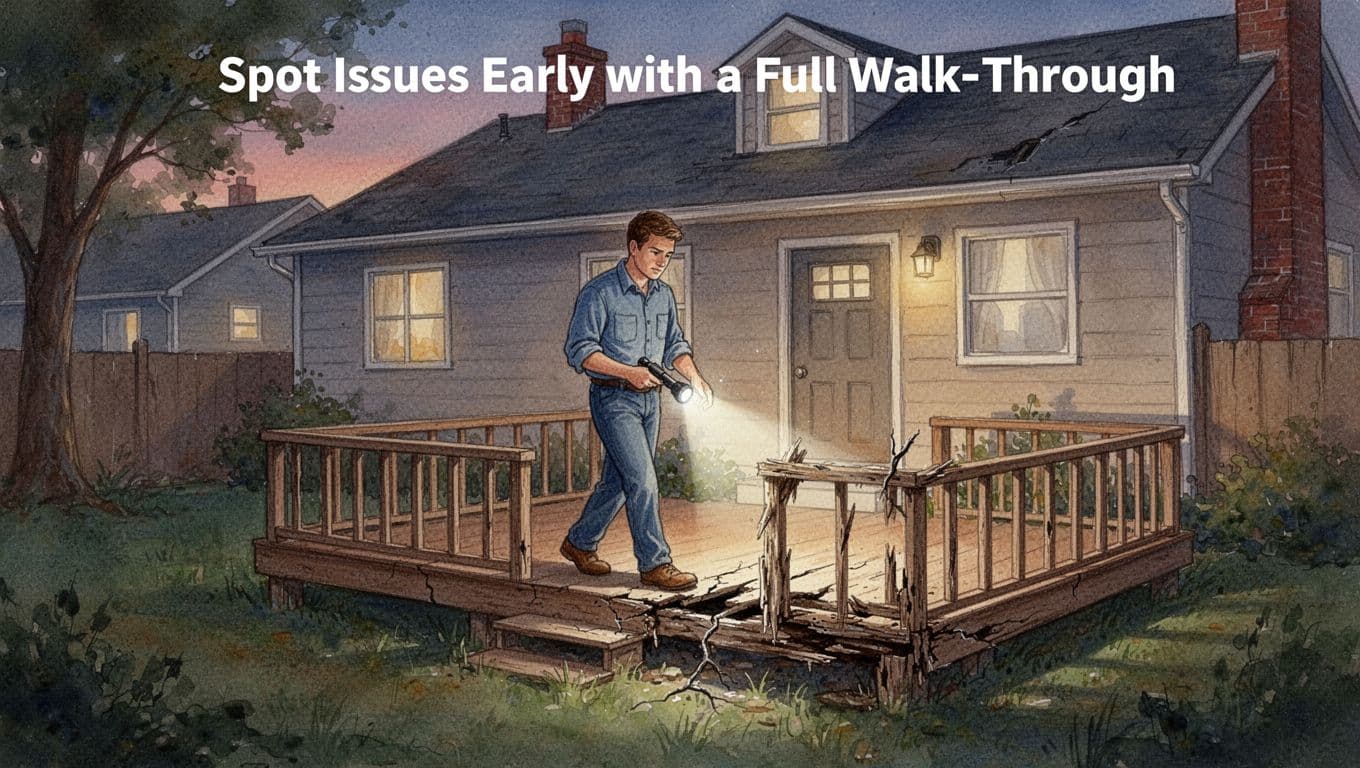
Spot Issues Early with a Full Walk-Through
Grab a flashlight for a 15-minute patrol. Circle inside and out monthly. Eyes catch cracks, pests, or rot before bills soar.
Look in attics for stains. Check garages for oil spots. Outside, scan decks and siding. Pests enter small gaps; seal them.
Basements show water marks. Tuff Home Inspections lists walkthrough items. Note fixes on your phone.
Safety checks, leak hunts, air care, moisture fights, and patrols form your routine. Set phone reminders for the first. Total time stays low, but savings and security grow huge.
Pin this list. Share your tips in comments. Subscribe for seasonal guides. Your home thanks you.
(Word count: 982)